-
Shop
- Adidas
- Advanced Technologies
- AI Skills Mastery 2026 Collection
- Behavior & Emotions
- Best-Sellers
- Budget, Small-Space & DIY
- Car Accessories
- Daily Routines & Care
- Dating & Social Skills
- Digital Resources
- Education & Learning
- Emotional Intelligence
- Everyday Tech Guides
- Family & Lifestyle Tech
- Family & Parenting
- Fashion
- Alexander McQueen
- Bags
- Bags & Wallets
- Balenciaga
- Belts
- Blazers
- Bottega Veneta
- Brunello Cucinelli
- Burberry
- Chanel
- Chloé
- Dior
- Dolce & Gabbana
- Dresses
- Etro
- Fendi
- Gucci
- Hats & Hair Accessories
- Jewelry
- Jil Sander
- Keychains
- Kiton
- Luggage
- Miu Miu
- Off-White
- Outerwear
- Prada
- Rick Owens
- Saint Laurent
- Shoes
- Socks & Tights
- Sunglasses
- The Row
- Tom Ford
- Valentino
- Valentino Garavani
- Versace
- Vivienne Westwood
- Watches
- Feeding & Nutrition
- Furniture
- Gadgets
- Health & Beauty
- Health & Wellness
- Home & Garden
- Home Styling & Organization
- Home Supplies
- Household Cleaning Guides
- Kids & Babies
- Kitchen
- Kitchen & Cooking
- Lighting
- Makeovers & Layouts
- Nike
- Nutrition & Hydration
- Parenting & Family Life
- Patio, Lawn & Garden
- Personal Growth
- Pet Care
- Pet Supplies
- Pets
- Productivity
- Safety & Health
- Sleep & Bedtime
- Smart Homes & Daily Tech Use
- Smartphones & Mobile Devices
- Sport & Outdoors
- Style & Atmosphere
- Training & Enrichment
- Travel
- Wealth
- Popular
- Best deals
What a Budget Looks Like: Categories, Buckets, Basics
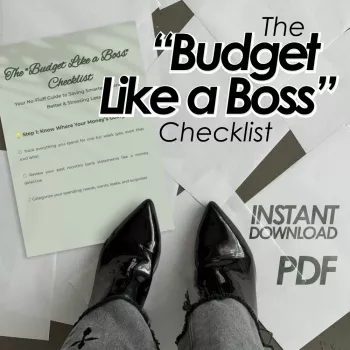
What is the budget like?
A budget is simply a clear snapshot of where money comes from and where it goes, laid out so it’s easy to follow. For most people, the “budget” isn’t a rigid set of rules—it’s a practical plan that prioritizes essentials first, covers goals next, and still leaves room for real life. The best budget feels realistic, not restrictive.
At its core, a workable budget usually includes:
- Income: paychecks, side gigs, benefits, or any reliable cash flow
- Fixed expenses: rent/mortgage, insurance, subscriptions, loan payments
- Variable expenses: groceries, gas, dining, personal spending, utilities
- Sinking funds: planned expenses that aren’t monthly (car repairs, gifts, annual fees)
- Savings and debt paydown: emergency fund, retirement, credit cards, student loans
What the budget “looks like” can vary. Some people prefer a simple spreadsheet with broad categories; others like a line-by-line checklist or an app that auto-tracks spending. The best format is the one that gets updated regularly—weekly is ideal if spending changes often.
A helpful way to picture a budget is as a set of “buckets.” You fill the must-pay buckets first (housing, food, transportation), then fund your goals (saving, paying off debt), and finally decide what’s left for flexible spending. If you’re paid irregularly, the budget may focus more on minimum bills and building a buffer so essentials are covered even in slower months.
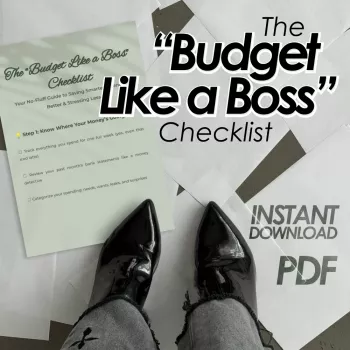
If you want a structured, easy-to-use approach, the printable checklist and steps in this budgeting guide walk through setting categories, choosing realistic numbers, and tracking progress without getting overwhelmed.
FAQ
How do I set up a budget if my income changes every month?
Start with your lowest predictable monthly income and budget around essentials first. Then use any “extra” months to build a buffer, fund sinking funds, and make additional debt or savings contributions.














Leave a comment