Budget Like a Boss Checklist: Easy Budget & Savings Routine
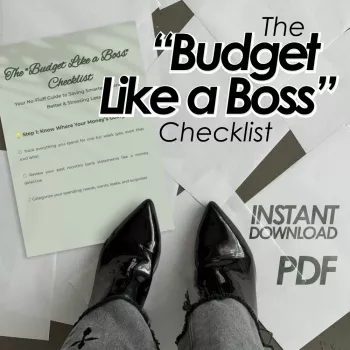
A budget works best when it’s repeatable. Instead of building a complex system you’ll abandon after a week, a simple printable checklist can turn budgeting into a quick routine: set priorities, track essentials, plan for bills, and build savings—without getting lost in spreadsheets.
What the checklist helps you do (in plain language)
- See where money is going before it disappears into “miscellaneous.”
- Separate needs, goals, and fun spending so trade-offs are clear.
- Create a bills plan that reduces late fees and surprise expenses.
- Set up small, consistent savings steps that add up over time.
- Build a simple system that can be repeated weekly and monthly.
When budgeting feels stressful, it’s usually because decisions are being made too late (after bills hit, after spending happens, after the month is half over). A checklist flips that by giving money a job early—then you only do quick check-ins to stay on track.
What’s included in the “Budget Like a Boss” digital download
If you want a straightforward workflow you can actually repeat, The “Budget Like a Boss” Checklist (digital download) is built to guide you through the essentials without overcomplicating the process.
- Printable checklist designed for a quick budgeting workflow.
- A step-by-step sequence for organizing income, bills, and spending categories.
- A practical savings routine that focuses on consistency, not perfection.
- Digital format that can be printed or used as a reference on a device.
- Great fit for beginners who want structure without complicated tools.
| Item | What it means |
|---|---|
| Format | Digital download, printable checklist |
| Best for | Beginners and anyone who wants a repeatable budgeting routine |
| Time to use | 10–20 minutes to set up, then quick weekly check-ins |
| Goal | Spend intentionally and increase savings with fewer surprises |
A simple way to use the checklist in your first week
The fastest way to make budgeting feel doable is to keep the first week focused on clarity, not perfection. Here’s an easy rollout that avoids the “restart” cycle.
Day 1: Income + bill dates (the non-negotiables)
- List all income sources and expected pay dates (use take-home amounts).
- List fixed bills (rent/mortgage, utilities, insurance, subscriptions) with due dates.
Day 2: Look back 30 days (so your budget matches real life)
- Review the last 30 days of spending and identify 3–5 main categories (groceries, gas, dining, shopping, etc.).
Day 3: Set realistic limits + give every dollar a job
- Set category limits based on what’s realistic, then assign every dollar a job (bills, spending, savings).
Day 4–7: Track briefly and adjust once
- Track purchases briefly; adjust once rather than restarting.
- End of week: Quick review—what ran high, what ran low, what can be automated.
One helpful mindset shift: if a category is off, it doesn’t mean the budget “failed.” It means you learned something about timing, habits, or pricing—and you can adjust one line item instead of redoing the whole plan.
Monthly routine: keep it easy and consistent
A monthly reset keeps your budget current without taking over your life. Aim for a short session at the start of the month plus two small check-ins.
- Start-of-month: Confirm bill amounts, due dates, and any one-time expenses coming up.
- Set one primary savings goal (emergency fund, debt payoff, sinking fund for a big expense).
- Mid-month: Check whether spending categories are on track and move small amounts if needed.
- End-of-month: Note what worked, keep the categories that were helpful, remove the ones you never used.
- Use a “buffer” line item to prevent small surprises from wrecking the plan.
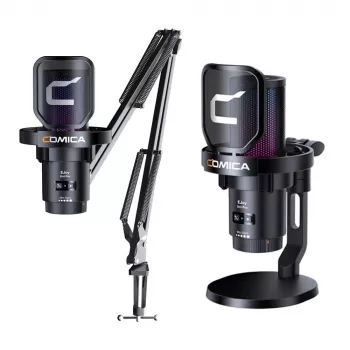
If you like saving with purpose, “sinking funds” make the routine feel rewarding. For example, you might set aside a small amount each pay period toward a home upgrade like the 70.8″ Rustic Brown Farmhouse Dining Table for 6-8 People – Industrial Wood Style or a hobby goal like the Wireless RGB USB Gaming Microphone with Noise Cancellation & Boom Arm. The point isn’t what you’re buying—it’s that planned goals reduce impulse spending because you already have a “yes” bucket.
Budgeting basics that make saving feel automatic
- Pay yourself first: schedule savings right after payday, even if it starts small.
- Use separate “buckets”: one for bills, one for everyday spending, one for goals (separate accounts or clear tracking).
- Plan for irregular expenses: car repairs, gifts, annual subscriptions—handle them with sinking funds instead of emergencies.
- Reduce friction: set reminders for due dates and automate minimum payments when possible.
- Aim for progress over perfection: one solid month beats three restarts.
For additional free guidance and budgeting worksheets, these resources are worth bookmarking: Consumer Financial Protection Bureau (CFPB) budgeting tools, FDIC Money Smart, and USA.gov budgeting help.
Common budgeting problems—and quick fixes
Big purchases are where budgets often get derailed. If you have a long-term “dream item” (like a major travel setup or a premium outdoor upgrade), placing it into a sinking fund protects your monthly bills. Even a small weekly transfer adds momentum—especially for high-cost goals such as a Weather-Resistant Luxury Spherical Camping Tent.
Get the printable checklist
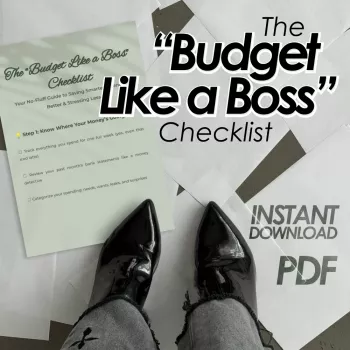
If you want a quick, structured routine you can repeat, start with The “Budget Like a Boss” Checklist (digital download). It’s a low-cost way to map out bills, set spending categories that match real life, and build savings with fewer surprises.
FAQ
What is the budget like?
A good budget is a simple plan for where your money goes each pay period—covering bills, everyday spending, and savings—while staying realistic and adjustable. Using a checklist helps you repeat the same steps each week and month, so the process feels predictable instead of overwhelming.














Leave a comment