Farmhouse Table Thickness Guide: 1.5 vs 2 Inches
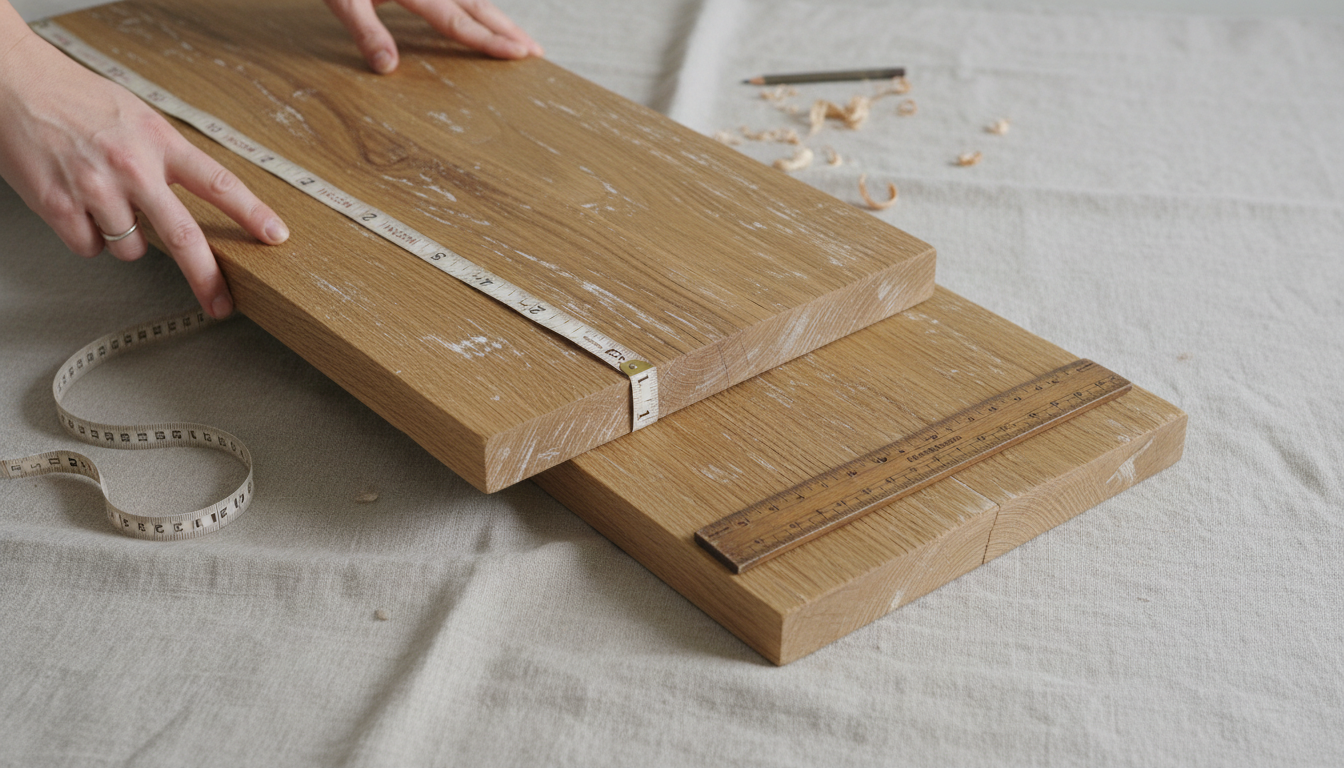
How thick should a farmhouse table be?
For most farmhouse dining tables, a tabletop thickness of 1.5 inches to 2 inches is the sweet spot. It looks substantial, feels sturdy under daily use, and pairs well with the chunky legs and rustic silhouettes that define farmhouse style.
If the table will see heavy wear (kids, frequent entertaining, or lots of moving dishes and serving pieces), 2 inches is a popular target. It helps the top resist flexing, gives you more “heft” visually, and creates a thicker edge that reads as authentically rustic—especially on long, rectangular tops.
Common thickness options (and when they work)
1 inch to 1.25 inches: Best for smaller spaces, lighter bases, or a cleaner “modern farmhouse” look. If you choose a thinner top, a sturdy understructure (aprons or battens) becomes more important to prevent sag over time.
1.5 inches: A dependable, widely used thickness for everyday dining tables. It balances cost, weight, and durability while still looking like a true farmhouse piece.
2 inches to 2.5 inches: Ideal for long spans, statement tables, or designs with minimal apron support. It’s also great when you want a bold, thick edge profile without relying on add-on trim.
Match thickness to table size and base style
As the table gets longer, a thicker top (or a reinforced build) helps maintain flatness. For pedestal bases, thickness can add stability and a more grounded look. For trestle bases, thicker tops complement the exposed joinery and robust beams.
Don’t forget practical details
Thicker tops are heavier, which can affect shipping, moving, and how the table sits on uneven floors. Also consider edge style: a slightly eased or chamfered edge can make even a 2-inch top feel comfortable against your arms.
For more sizing and build guidance, see the full rustic farmhouse dining table guide here: https://etellium.com/blog/guide-70-8-rustic-farmhouse-dining-table-6-8-industrial-wood/.
FAQ
What is the best finish for a farmhouse dining table?
A durable, wipeable finish like a quality polyurethane (water-based for low odor, oil-based for warmer tone) is a strong choice for daily use. For a more natural look, hardwax oils can work well but may require more routine maintenance.














Leave a comment