Podiatrists on Foot Massagers: Benefits, Risks, Tips
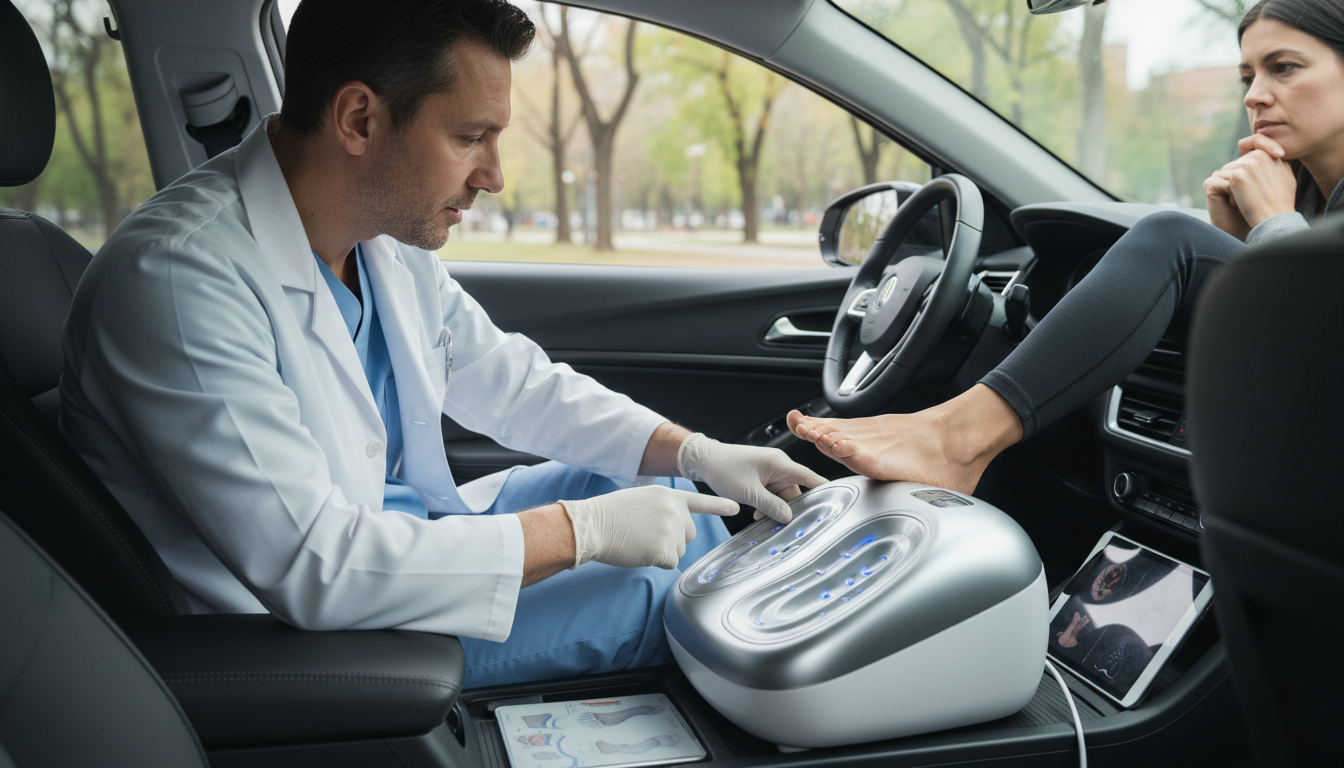
Do podiatrists recommend foot massagers?
Many podiatrists do recommend foot massagers for certain people, especially when the goal is short-term relief from tired, achy feet, mild stiffness, or tension from long days on hard floors. A quality massager can boost comfort by encouraging circulation and relaxing tight muscles in the arches, heels, and lower legs.
That said, podiatrists typically recommend foot massagers as a supportive tool—not a replacement for proper footwear, stretching, or medical care. The best advice is to match the type of massager and intensity to the problem you’re trying to solve and to stop if symptoms worsen or you feel sharp pain, numbness, or burning.
When a foot massager can be a good idea
Podiatrists often see benefits when a foot massager is used safely for:
- Post-activity soreness (standing, walking, workouts)
- General muscle tightness in the foot and calf
- Mild swelling from everyday fatigue (when paired with rest/elevation)
- Cold, stiff feet that feel better with gentle heat
Models that combine heat with vibration or kneading can feel especially soothing, as long as the settings are comfortable and your skin sensation is normal.
When to be cautious (or skip it)
Podiatrists may advise avoiding foot massagers—or checking first—if you have:
- Diabetes with neuropathy or reduced sensation (higher burn/injury risk)
- Poor circulation or vascular disease
- Open sores, skin infections, or recent surgery
- Acute injuries (fresh sprains, fractures, severe inflammation)
If heat is included, keep temperatures moderate and limit session length, especially if you’re prone to swelling or have sensitive skin.
What podiatrists typically suggest for best results
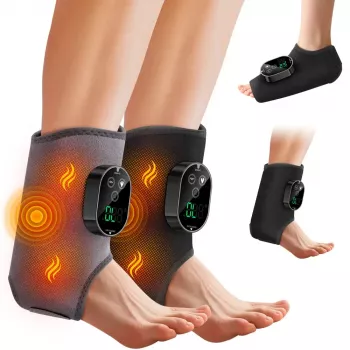
A practical approach is short sessions (often 10–20 minutes), low-to-medium intensity, and consistent use rather than “cranking it up” occasionally. Many people also do better with a massager that supports the ankle and foot in a stable position, particularly if they’re using heat and vibration for relaxation.
For guidance on picking features like heat level, vibration modes, and brace-style support, see the detailed overview here: heated ankle & foot massager brace guide.
FAQ
Can a foot massager help with plantar fasciitis pain?
It can help some people by loosening tight foot and calf tissues, but it shouldn’t cause sharp heel pain. Gentle settings and short sessions are typically better, and persistent heel pain should be evaluated by a clinician.














Leave a comment