-
Shop
- Adidas
- Advanced Technologies
- AI Skills Mastery 2026 Collection
- Behavior & Emotions
- Best-Sellers
- Budget, Small-Space & DIY
- Car Accessories
- Daily Routines & Care
- Dating & Social Skills
- Digital Resources
- Education & Learning
- Emotional Intelligence
- Everyday Tech Guides
- Family & Lifestyle Tech
- Family & Parenting
- Fashion
- Alexander McQueen
- Bags
- Bags & Wallets
- Balenciaga
- Belts
- Blazers
- Bottega Veneta
- Brunello Cucinelli
- Burberry
- Chanel
- Chloé
- Dior
- Dolce & Gabbana
- Dresses
- Etro
- Fendi
- Gucci
- Hats & Hair Accessories
- Jewelry
- Jil Sander
- Keychains
- Kiton
- Luggage
- Miu Miu
- Off-White
- Outerwear
- Prada
- Rick Owens
- Saint Laurent
- Shoes
- Socks & Tights
- Sunglasses
- The Row
- Tom Ford
- Valentino
- Valentino Garavani
- Versace
- Vivienne Westwood
- Watches
- Feeding & Nutrition
- Furniture
- Gadgets
- Health & Beauty
- Health & Wellness
- Home & Garden
- Home Styling & Organization
- Home Supplies
- Household Cleaning Guides
- Kids & Babies
- Kitchen
- Kitchen & Cooking
- Lighting
- Makeovers & Layouts
- Nike
- Nutrition & Hydration
- Parenting & Family Life
- Patio, Lawn & Garden
- Personal Growth
- Pet Care
- Pet Supplies
- Pets
- Productivity
- Safety & Health
- Sleep & Bedtime
- Smart Homes & Daily Tech Use
- Smartphones & Mobile Devices
- Sport & Outdoors
- Style & Atmosphere
- Training & Enrichment
- Travel
- Wealth
- Popular
- Best deals
90,000 BTU Commercial Gas Range with Cabinet Base
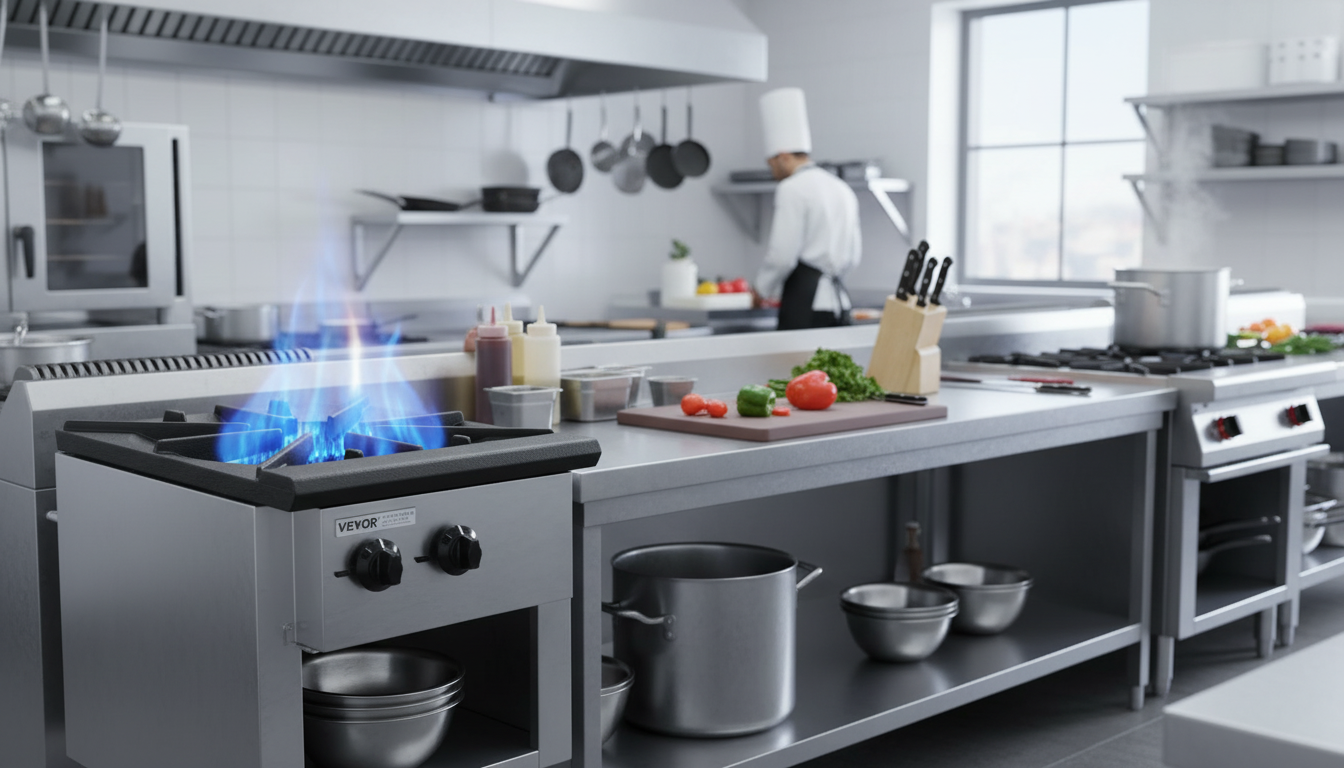
Commercial Gas Stove with 90,000 BTU and Cabinet for Restaurant Kitchens
A reliable range is the heartbeat of a hot line. This commercial gas stove pairs high heat output with an integrated cabinet base to keep cookware close, streamline prep-to-fire workflows, and support consistent service during rush periods. For kitchens that live and die by ticket times, the combination of strong burner power and under-range storage can be the difference between steady pacing and constant catch-up.
What 90,000 BTU Means for Line Performance
BTU (British Thermal Unit) is a measure of heat output. In a restaurant setting, more available BTUs typically translate to faster boil times, quicker pan preheats, and stronger “recovery”—how fast the burner brings heat back after you drop cold proteins, add chilled sauce, or load a pan with vegetables.
Higher BTU matters most when the station needs aggressive heat on demand: hard sears on steaks and chops, wok-style stir-fry moves, rapid reductions, and high-volume sauté where the pan can’t afford to cool off between pickups. That said, power only helps when it’s usable. Flame stability and control still matter for simmering soups, holding delicate sauces, or preventing scorching during long reductions.
Cookware choice also changes how that heat behaves. Heavy cast iron can smooth out temperature swings and protect against hot spots, while stainless responds quickly but can punish rushed technique if the pan isn’t preheated. Heavy-gauge aluminum heats fast and evenly, but it may require more attention to avoid overshooting when a burner is running hot.
Finally, there’s the energy side: the most efficient “high output” setup is the one that matches burner use to the menu and station layout. Running maximum flame on every burner all service long can waste gas and overwhelm ventilation; a better approach is building habits around using high fire for sear/boil, then stepping down once the pan is at temperature.
BTU Levels and Common Kitchen Tasks
| Heat output range | Best uses | Typical cookware/tips |
|---|---|---|
| Low (up to ~15,000 BTU) | Simmering, holding, small-batch sauces | Use smaller pots; consider diffuser for extra control |
| Medium (~15,000–25,000 BTU) | Daily sauté, pasta water maintenance, general line work | Preheat pans fully; avoid overcrowding to maintain recovery |
| High (~25,000 BTU and above) | Hard sear, rapid boil, stir-fry, fast reductions | Use heavier pans; manage oil smoke point and ventilation |
Cabinet Base: Storage That Helps Service Move Faster
Under-range cabinet storage seems simple until you watch a busy line. Keeping sheet pans, sauté pans, stockpots, and backup utensils within one step of the burners reduces cross-traffic to shelving and cuts down the “where is it?” moment that slows down pickup.
Cabinet bases also support better station organization. When each cook has a defined home for their most-used items—finishing pans, sauce pots, backup tongs, or a clean stack of hotel pans—handoffs get smoother and restocking becomes less disruptive.
For day-to-day practicality, consider door clearance (especially if the range sits near a wall return or another piece of equipment), how easily the cabinet interior can be wiped down, and how it helps keep items off the floor. Keeping tools and cookware stored correctly also reduces the chance of trip hazards, clutter, or accidental contamination from splash zones.
A simple setup that works well is dividing the cabinet into labeled zones: “Sauté Pans,” “Stockpot/Insert,” and “Backups.” If local code and your kitchen rules allow, some teams also keep sealed backups of oil or spices nearby—but anything heat-sensitive, aerosolized, or combustible should live elsewhere.
Fit, Gas Type, and Installation Basics
Before ordering, measure the full footprint and the working space around it. A range that technically “fits” can still create pinch points if it steals landing space from the pass, blocks a prep table, or forces cooks into each other’s paths during peak tickets.
Ventilation is not optional with high-output cooking. Place the unit under an appropriately sized hood and ensure adequate makeup air so the hood can actually capture and exhaust heat and effluent. For operational guidance and safety context, consult recognized standards and references such as NFPA 54: National Fuel Gas Code and commercial kitchen ventilation resources from ASHRAE.
Durability, Cleaning, and Safety for Daily Use
For efficiency and equipment planning across commercial kitchens, the U.S. Department of Energy’s commercial food service equipment overview is a useful reference point for understanding how cooking equipment choices affect ongoing use.
Who This Range Works Best For
Product Snapshot: 90,000 BTU Range with Cabinet
Quick Reference
| Item | Details |
|---|---|
| Product | Commercial Gas Stove with 90,000 BTU and Cabinet for Restaurant Kitchens |
| Price | 677.01 USD |
| Availability | In stock |
More In-Stock Picks
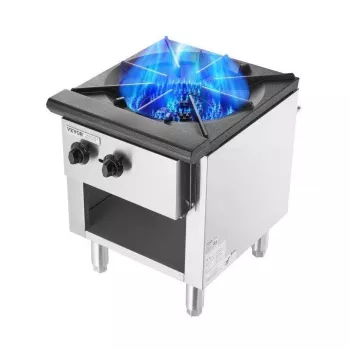
- Commercial Gas Stove with 90,000 BTU and Cabinet for Restaurant Kitchens
- Wireless RGB USB Gaming Microphone with Noise Cancellation & Boom Arm
- Weather-Resistant Luxury Spherical Camping Tent
FAQ
Is 90,000 BTU enough for searing and high-volume sauté work?
Yes—high BTU output supports fast preheat and strong recovery when cold ingredients hit the pan. For consistent results, pair the heat with appropriately thick cookware and make sure ventilation can handle high-fire cooking during rushes.
What should be stored in the cabinet under a commercial range?
Store heat-safe, frequently used cookware like sauté pans, stockpots, sheet pans, and metal utensils so the station can move quickly. Avoid items that are heat-sensitive or restricted by local rules, and keep the cabinet organized so cooks can grab what they need without rummaging.
What needs to be checked before installing a commercial gas stove?
Confirm gas type compatibility, verify shutoff valve access, and ensure the correct connector and regulator/pressure requirements are met. Check clearances and hood coverage, then perform leak testing and verify ignition and flame quality before putting the unit into service.
Recommended for you

5-Tier Cat Tree Tower for Large Cats: Daily Play Hub
May 13, 2026













Leave a comment