-
Shop
- Adidas
- Advanced Technologies
- AI Skills Mastery 2026 Collection
- Behavior & Emotions
- Best-Sellers
- Budget, Small-Space & DIY
- Car Accessories
- Daily Routines & Care
- Dating & Social Skills
- Digital Resources
- Education & Learning
- Emotional Intelligence
- Everyday Tech Guides
- Family & Lifestyle Tech
- Family & Parenting
- Fashion
- Alexander McQueen
- Bags
- Bags & Wallets
- Balenciaga
- Belts
- Blazers
- Bottega Veneta
- Brunello Cucinelli
- Burberry
- Chanel
- Chloé
- Dior
- Dolce & Gabbana
- Dresses
- Etro
- Fendi
- Gucci
- Hats & Hair Accessories
- Jewelry
- Jil Sander
- Keychains
- Kiton
- Luggage
- Miu Miu
- Off-White
- Outerwear
- Prada
- Rick Owens
- Saint Laurent
- Shoes
- Socks & Tights
- Sunglasses
- The Row
- Tom Ford
- Valentino
- Valentino Garavani
- Versace
- Vivienne Westwood
- Watches
- Feeding & Nutrition
- Furniture
- Gadgets
- Health & Beauty
- Health & Wellness
- Home & Garden
- Home Styling & Organization
- Home Supplies
- Household Cleaning Guides
- Kids & Babies
- Kitchen
- Kitchen & Cooking
- Lighting
- Makeovers & Layouts
- Nike
- Nutrition & Hydration
- Parenting & Family Life
- Patio, Lawn & Garden
- Personal Growth
- Pet Care
- Pet Supplies
- Pets
- Productivity
- Safety & Health
- Sleep & Bedtime
- Smart Homes & Daily Tech Use
- Smartphones & Mobile Devices
- Sport & Outdoors
- Style & Atmosphere
- Training & Enrichment
- Travel
- Wealth
- Popular
- Best deals
Electric Foot Massager Disadvantages: Comfort, Heat & Fit
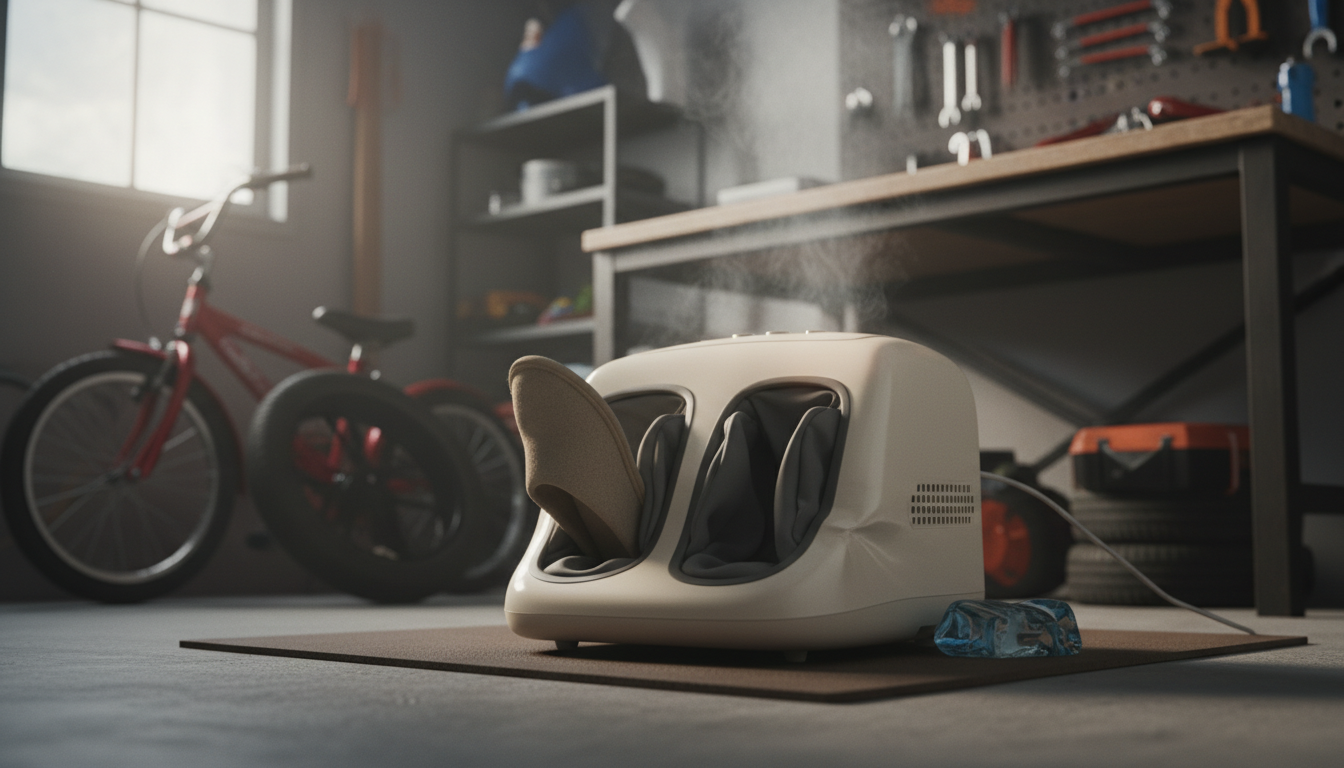
What are the disadvantages of electric foot massagers?
Electric foot massagers can feel amazing after a long day, but they’re not a perfect fit for everyone. The main drawbacks tend to fall into a few practical categories: comfort, safety, cost, and how well the device matches your specific needs.
They can feel too intense (or not intense enough)
Many electric models use kneading nodes, rollers, compression, vibration, or heat. If the intensity settings are limited, a session may feel overly aggressive—especially on sensitive arches or bony areas—or too mild to provide meaningful relief. People with tender feet, thin skin, or heightened sensitivity may find some modes uncomfortable.
Fit and ergonomics may be restrictive
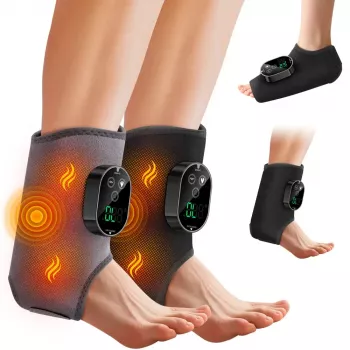
Foot wells and wraps are built to a general shape and size. If your feet are larger, wider, or you prefer focusing on ankles and calves, some devices can feel cramped or miss the areas you want to target. Brace-style heated massagers may fit differently than platform-style machines, which affects comfort and results.
Heat has limits and can pose risks
Heat is a popular feature, but it can be inconsistent across models and may take time to warm up. More importantly, heat isn’t ideal for everyone—particularly if you have reduced sensation, circulation concerns, or you’re prone to swelling. Using heat too long or too hot can cause irritation, and it may be a poor match during acute inflammation.
Noise, maintenance, and durability concerns
Motors, air pumps, and vibration systems can be louder than expected, which matters in shared spaces or while watching TV. Removable liners aren’t universal, so keeping the device fresh may take extra effort. Lower-quality units may develop squeaks, weakened compression, or uneven rollers over time.
Not a substitute for medical care
Electric foot massagers are designed for comfort and temporary relief, not diagnosis or treatment. If pain stems from an injury, nerve issues, or a chronic condition, a massager may not address the root cause and could aggravate symptoms if used improperly.
For a deeper look at how heat and vibration features work (and how to choose settings thoughtfully), see this guide to heated ankle and foot massager braces.
FAQ
Is it safe to use a heated foot massager every day?
For many people, daily use is fine if sessions are kept moderate and the heat setting is comfortable, not “hot.” If you have diabetes, neuropathy, poor circulation, or significant swelling, check with a clinician first and avoid long sessions on high heat.














Leave a comment