-
Shop
- Adidas
- Advanced Technologies
- AI Skills Mastery 2026 Collection
- Behavior & Emotions
- Best-Sellers
- Budget, Small-Space & DIY
- Car Accessories
- Daily Routines & Care
- Dating & Social Skills
- Digital Resources
- Education & Learning
- Emotional Intelligence
- Everyday Tech Guides
- Family & Lifestyle Tech
- Family & Parenting
- Fashion
- Alexander McQueen
- Bags
- Bags & Wallets
- Balenciaga
- Belts
- Blazers
- Bottega Veneta
- Brunello Cucinelli
- Burberry
- Chanel
- Chloé
- Dior
- Dolce & Gabbana
- Dresses
- Etro
- Fendi
- Gucci
- Hats & Hair Accessories
- Jewelry
- Jil Sander
- Keychains
- Kiton
- Luggage
- Miu Miu
- Off-White
- Outerwear
- Prada
- Rick Owens
- Saint Laurent
- Shoes
- Socks & Tights
- Sunglasses
- The Row
- Tom Ford
- Valentino
- Valentino Garavani
- Versace
- Vivienne Westwood
- Watches
- Feeding & Nutrition
- Furniture
- Gadgets
- Health & Beauty
- Health & Wellness
- Home & Garden
- Home Styling & Organization
- Home Supplies
- Household Cleaning Guides
- Kids & Babies
- Kitchen
- Kitchen & Cooking
- Lighting
- Makeovers & Layouts
- Nike
- Nutrition & Hydration
- Parenting & Family Life
- Patio, Lawn & Garden
- Personal Growth
- Pet Care
- Pet Supplies
- Pets
- Productivity
- Safety & Health
- Sleep & Bedtime
- Smart Homes & Daily Tech Use
- Smartphones & Mobile Devices
- Sport & Outdoors
- Style & Atmosphere
- Training & Enrichment
- Travel
- Wealth
- Popular
- Best deals
6×7.5 Ft Greenhouse: Aluminum Frame, Polycarbonate, Vent
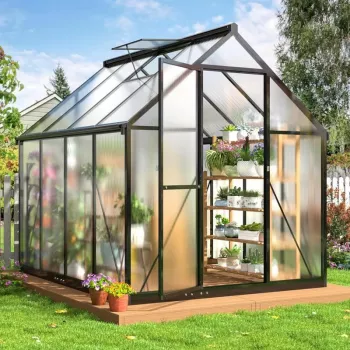
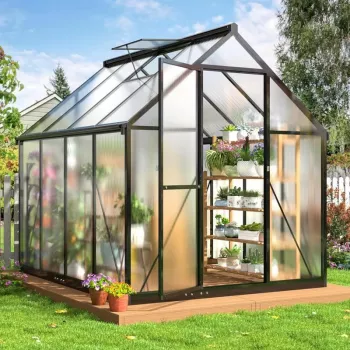
6×7.5 FT Aluminum Polycarbonate Greenhouse with Quick Setup and Roof Vent
A compact backyard greenhouse can extend the growing season, protect seedlings from wind and sudden cold snaps, and create a steadier environment for herbs and vegetables. This 6×7.5 ft aluminum and polycarbonate model focuses on fast assembly, durable framing, and ventilation through a roof vent—practical features for gardeners who want a manageable footprint without sacrificing daily usability.
At-a-Glance Highlights
- 6×7.5 ft footprint suited for patios, side yards, and small garden plots
- Aluminum frame for corrosion resistance and low maintenance
- Polycarbonate panels for light diffusion and added impact resistance compared with glass
- Quick-setup design intended to reduce build time and complexity
- Roof vent helps release heat and humidity on warm days
- Useful for seed starting, hardening off transplants, and overwintering tender plants (with climate-appropriate heat management)
Size, Layout, and Placement Planning
Before ordering, do a simple “fit check” that covers real-world usability—door clearance, a comfortable interior path, and enough space around the outside to manage weeds and airflow. A greenhouse this size can be surprisingly productive, but placement determines whether it feels convenient or cramped.
- Measure the intended area and confirm space for door swing, interior access, and airflow around the structure
- Choose a level base: pavers, compacted gravel, or a wood frame base can help with stability and drainage
- Place the greenhouse where it can receive adequate sun; morning sun is often helpful for reducing overnight condensation
- Plan interior zoning: a path down the middle with shelving on one side and floor pots on the other is a common setup in this footprint
- Keep water access in mind: a nearby hose connection simplifies daily care and reduces trips with watering cans
Quick Fit Check for a 6×7.5 ft Greenhouse
| Checklist item | Why it matters | What to verify |
|---|---|---|
| Level base | Panels and doors align better; less stress on the frame | No rocking; corners are even; base is square |
| Sun exposure | More consistent growth and fewer damp periods | At least several hours of direct sun in peak season |
| Drainage | Reduces standing water and algae | Water flows away from the base; no puddling after rain |
| Wind protection | Less heat loss and reduced strain on panels | Use windbreaks/fencing; anchor points available |
| Access path | Simplifies watering, pruning, and harvesting | Comfortable walkway clearance to the door and inside |
Materials and Build: Aluminum Frame + Polycarbonate Panels
Two choices largely determine day-to-day ownership: the frame material and the glazing. Aluminum framing is commonly used outdoors because it doesn’t rust, stays relatively light for handling during assembly, and generally needs little more than seasonal checks. Polycarbonate panels add a different advantage: they diffuse sunlight, which can reduce leaf scorch and create a more even growing environment compared with harsher direct glare.
- Aluminum framing is typically chosen for outdoor structures because it resists rust and is lighter to handle during assembly
- Polycarbonate panels diffuse sunlight, helping reduce harsh hotspots on leaves while still allowing strong light transmission
- Compared with glass, polycarbonate is generally more forgiving if struck by hail or garden tools; it also tends to insulate better than single-pane glass
- Inspect panel orientation during install (many panels have a UV-protected side) and keep edges clean to reduce moisture and debris trapping
- Consider sealing and edge finishing where recommended by the manufacturer to limit dust and insects entering panel channels
For crop planning and greenhouse growing basics, University of Minnesota Extension offers a helpful overview of greenhouse vegetable production and seasonal considerations: https://extension.umn.edu/planting-and-growing-guides/growing-vegetables-greenhouse.
Ventilation and Temperature Control with the Roof Vent
Ventilation is the difference between “warm and protected” and “too hot and humid.” Because heat stratifies (warm air rises), a roof vent is an efficient way to release the hottest air at the top—especially during bright midday hours.
If humidity lingers, it can contribute to mold and mildew pressure. For plain-language guidance on moisture control and ventilation principles, the U.S. EPA’s mold resource is a strong reference: https://www.epa.gov/mold. For general greenhouse care routines, the Royal Horticultural Society provides practical maintenance guidance: https://www.rhs.org.uk/greenhouses.
Quick Setup: Practical Assembly Tips
What It’s Good For: Seasonal Use Cases
Care, Maintenance, and Longevity
Product Snapshot and Buying Notes
| Detail | Value |
|---|---|
| Product | 6×7.5 FT Aluminum Polycarbonate Greenhouse with Quick Setup and Roof Vent |
| Material | Aluminum frame + polycarbonate panels |
| Ventilation | Roof vent |
| Price | $437.01 USD |
| Availability | In stock |
Optional add-ons to consider
More In-Stock Picks
- Weather-Resistant Luxury Spherical Camping Tent for sheltered outdoor lounging or event coverage when you want a fully enclosed space outside the garden.
- The “Budget Like a Boss” Checklist (Digital Download) to map out seasonal garden spending—useful for planning soil, seedlings, irrigation parts, and greenhouse add-ons.
FAQ
Does a roof vent make a noticeable difference in a small greenhouse?
Yes. Hot air collects at the top, so a roof vent releases the warmest air first, lowering peak temperatures and helping reduce humidity. On hot days, opening the door as well improves airflow by creating a stronger cross-breeze.
What foundation works best for a 6×7.5 ft greenhouse?
A level, well-draining base such as pavers, compacted gravel, or a treated lumber frame works well. The key is squaring and leveling the base so panels and doors align, then anchoring the structure to resist wind.
How should polycarbonate panels be cleaned and maintained?
Wash with mild soap, water, and a soft cloth, and avoid abrasive pads or harsh solvents that can scratch or haze the surface. Keep edges and channels clear, and check fasteners and seals at the start of each season.











Leave a comment