-
Shop
- Adidas
- Advanced Technologies
- AI Skills Mastery 2026 Collection
- Behavior & Emotions
- Best-Sellers
- Budget, Small-Space & DIY
- Car Accessories
- Daily Routines & Care
- Dating & Social Skills
- Digital Resources
- Education & Learning
- Emotional Intelligence
- Everyday Tech Guides
- Family & Lifestyle Tech
- Family & Parenting
- Fashion
- Alexander McQueen
- Bags
- Bags & Wallets
- Balenciaga
- Belts
- Blazers
- Bottega Veneta
- Brunello Cucinelli
- Burberry
- Chanel
- Chloé
- Dior
- Dolce & Gabbana
- Dresses
- Etro
- Fendi
- Gucci
- Hats & Hair Accessories
- Jewelry
- Jil Sander
- Keychains
- Kiton
- Luggage
- Miu Miu
- Off-White
- Outerwear
- Prada
- Rick Owens
- Saint Laurent
- Shoes
- Socks & Tights
- Sunglasses
- The Row
- Tom Ford
- Valentino
- Valentino Garavani
- Versace
- Vivienne Westwood
- Watches
- Feeding & Nutrition
- Furniture
- Gadgets
- Health & Beauty
- Health & Wellness
- Home & Garden
- Home Styling & Organization
- Home Supplies
- Household Cleaning Guides
- Kids & Babies
- Kitchen
- Kitchen & Cooking
- Lighting
- Makeovers & Layouts
- Nike
- Nutrition & Hydration
- Parenting & Family Life
- Patio, Lawn & Garden
- Personal Growth
- Pet Care
- Pet Supplies
- Pets
- Productivity
- Safety & Health
- Sleep & Bedtime
- Smart Homes & Daily Tech Use
- Smartphones & Mobile Devices
- Sport & Outdoors
- Style & Atmosphere
- Training & Enrichment
- Travel
- Wealth
- Popular
- Best deals
Acacia vs Mango vs Oak vs Pine for Rustic Coffee Tables
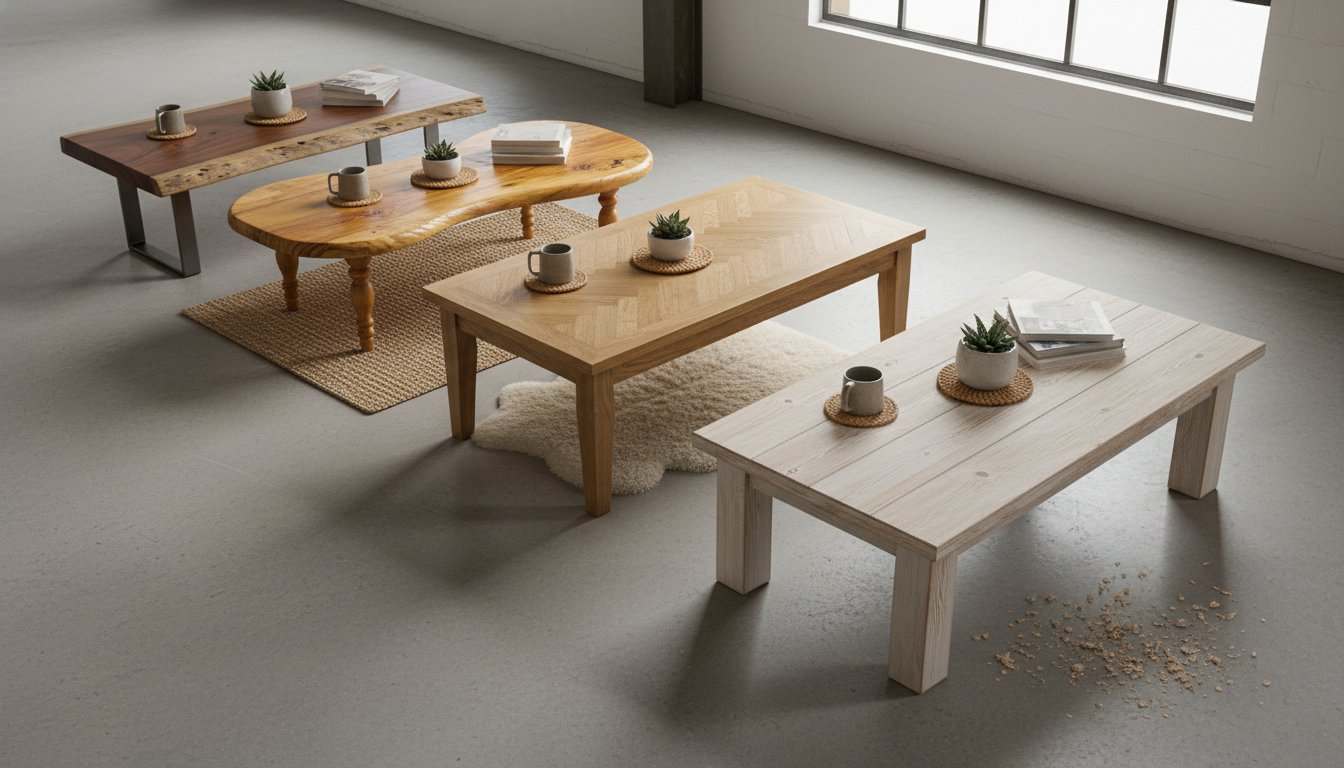
What is the best wood type for a rustic natural coffee table (acacia, mango, oak, pine)?
The best wood type depends on what “rustic” means in your space: rugged durability, bold grain, lighter weight, or a softer, lived-in look. Among acacia, mango, oak, and pine, acacia and oak are typically the strongest picks for a rustic natural coffee table, while mango offers standout character and pine delivers an easygoing, budget-friendly vibe.
Acacia: tough, high-contrast grain, great for daily use
Acacia is a hardwood known for strength and striking color variation, which fits rustic styling especially well. It holds up to frequent use, handles minor dings better than softer woods, and often showcases dramatic grain patterns that look great with natural or matte finishes. If you want a sturdy table that still feels warm and organic, acacia is a top contender.
Mango: rustic character with a lighter, artisan feel
Mango wood is also a hardwood, prized for its unique figuring and natural variation. It tends to bring a handcrafted, slightly eclectic rustic look—especially when paired with iron legs or a chunky silhouette. It may show wear a bit sooner than the hardest options, but many people like that patina as part of the rustic appeal.
Oak: classic, long-lasting, and easy to refinish
Oak (especially white oak) is a traditional furniture hardwood with excellent durability and a timeless grain. It’s a strong choice if you want a coffee table that can be refinished down the line, or if you prefer a more “heritage rustic” look—think farmhouse, craftsman, or cabin-inspired interiors.
Pine: softer, lighter, and naturally distressed over time
Pine is a softwood, so it dents and scratches more easily. That said, it’s often chosen for rustic spaces because it develops a naturally worn-in look quickly. If you like visible marks, knots, and a casual feel (and want to keep costs down), pine can work well—just expect more character marks.
For a deeper breakdown of how each wood performs, looks, and wears in real homes, visit the main guide here.
FAQ
How do I protect a rustic wood coffee table from water rings and stains?
Use coasters and wipe spills immediately, then add a protective finish like a quality furniture wax or a clear topcoat suited to your table’s current finish. For extra day-to-day protection, a tray can help keep drinks and plant pots from sitting directly on the wood.
Recommended for you



Rustic Wood Coffee Table Size Guide for Any Sofa
May 14, 2026
Boom Mic for Gaming: Better Comms, Less Noise?
May 14, 2026











Leave a comment