-
Shop
- Adidas
- Advanced Technologies
- AI Skills Mastery 2026 Collection
- Behavior & Emotions
- Best-Sellers
- Budget, Small-Space & DIY
- Car Accessories
- Daily Routines & Care
- Dating & Social Skills
- Digital Resources
- Education & Learning
- Emotional Intelligence
- Everyday Tech Guides
- Family & Lifestyle Tech
- Family & Parenting
- Fashion
- Alexander McQueen
- Bags
- Bags & Wallets
- Balenciaga
- Belts
- Blazers
- Bottega Veneta
- Brunello Cucinelli
- Burberry
- Chanel
- Chloé
- Dior
- Dolce & Gabbana
- Dresses
- Etro
- Fendi
- Gucci
- Hats & Hair Accessories
- Jewelry
- Jil Sander
- Keychains
- Kiton
- Luggage
- Miu Miu
- Off-White
- Outerwear
- Prada
- Rick Owens
- Saint Laurent
- Shoes
- Socks & Tights
- Sunglasses
- The Row
- Tom Ford
- Valentino
- Valentino Garavani
- Versace
- Vivienne Westwood
- Watches
- Feeding & Nutrition
- Furniture
- Gadgets
- Health & Beauty
- Health & Wellness
- Home & Garden
- Home Styling & Organization
- Home Supplies
- Household Cleaning Guides
- Kids & Babies
- Kitchen
- Kitchen & Cooking
- Lighting
- Makeovers & Layouts
- Nike
- Nutrition & Hydration
- Parenting & Family Life
- Patio, Lawn & Garden
- Personal Growth
- Pet Care
- Pet Supplies
- Pets
- Productivity
- Safety & Health
- Sleep & Bedtime
- Smart Homes & Daily Tech Use
- Smartphones & Mobile Devices
- Sport & Outdoors
- Style & Atmosphere
- Training & Enrichment
- Travel
- Wealth
- Popular
- Best deals
Best Wood for a Farmhouse Table: Oak, Maple, Walnut
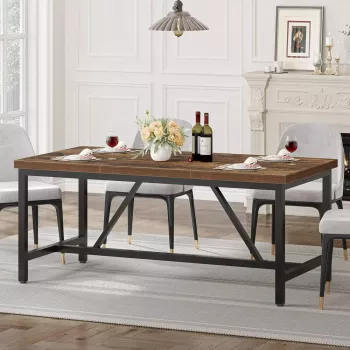
What type of wood is best for a farmhouse table?
The best wood for a farmhouse table is one that can handle daily wear, hides character marks gracefully, and fits the look you want as it ages. For most homes, hardwoods like white oak, hard maple, and walnut are top choices because they’re durable, stable, and refinish well. If a more knotty, timeworn surface is the goal, softwoods like pine can deliver that classic “lived-in” farmhouse charm—just expect more dents and dings over time.
White oak is a standout for farmhouse tables: it’s hard, resistant to moisture, and has prominent grain that looks authentic in rustic or modern-farmhouse spaces. It also takes stains and finishes evenly, making it easier to dial in a warm, inviting tone.
Hard maple is another excellent pick for busy households. Its tight grain helps it resist scratches, and it works well for cleaner, more refined farmhouse designs. If you prefer a smoother, less rustic look, maple is a strong contender.
Walnut offers rich color and a premium feel, pairing nicely with black metal legs or industrial details. It’s durable, but it tends to be pricier, and many people prefer a clear finish to show off the natural tone rather than staining it.
Pine (and similar softwoods) can be “best” when the goal is a table that gains character fast. It’s typically more budget-friendly and easy to work with, but it will show wear sooner. That can be a feature, not a flaw, for a true farmhouse vibe.
For more guidance on choosing the right rustic farmhouse dining table style, wood pairing ideas, and design options, visit this farmhouse dining table guide.
FAQ
How thick should a farmhouse table be?
Many farmhouse table tops land around 1.5–2 inches thick for a substantial look and good rigidity. Thicker tops (up to 3 inches) can feel more “heirloom,” while thinner tops often benefit from added support underneath.
What kind of wood looks rustic?
Woods with strong grain and visible knots—like white oak, pine, hickory, and reclaimed lumber—tend to read as rustic right away. Saw marks, wormholes, and natural color variation also enhance the farmhouse look.













Leave a comment