-
Shop
- Adidas
- Advanced Technologies
- AI Skills Mastery 2026 Collection
- Behavior & Emotions
- Best-Sellers
- Budget, Small-Space & DIY
- Car Accessories
- Daily Routines & Care
- Dating & Social Skills
- Digital Resources
- Education & Learning
- Emotional Intelligence
- Everyday Tech Guides
- Family & Lifestyle Tech
- Family & Parenting
- Fashion
- Alexander McQueen
- Bags
- Bags & Wallets
- Balenciaga
- Belts
- Blazers
- Bottega Veneta
- Brunello Cucinelli
- Burberry
- Chanel
- Chloé
- Dior
- Dolce & Gabbana
- Dresses
- Etro
- Fendi
- Gucci
- Hats & Hair Accessories
- Jewelry
- Jil Sander
- Keychains
- Kiton
- Luggage
- Miu Miu
- Off-White
- Outerwear
- Prada
- Rick Owens
- Saint Laurent
- Shoes
- Socks & Tights
- Sunglasses
- The Row
- Tom Ford
- Valentino
- Valentino Garavani
- Versace
- Vivienne Westwood
- Watches
- Feeding & Nutrition
- Furniture
- Gadgets
- Health & Beauty
- Health & Wellness
- Home & Garden
- Home Styling & Organization
- Home Supplies
- Household Cleaning Guides
- Kids & Babies
- Kitchen
- Kitchen & Cooking
- Lighting
- Makeovers & Layouts
- Nike
- Nutrition & Hydration
- Parenting & Family Life
- Patio, Lawn & Garden
- Personal Growth
- Pet Care
- Pet Supplies
- Pets
- Productivity
- Safety & Health
- Sleep & Bedtime
- Smart Homes & Daily Tech Use
- Smartphones & Mobile Devices
- Sport & Outdoors
- Style & Atmosphere
- Training & Enrichment
- Travel
- Wealth
- Popular
- Best deals
Between Sizes? Choose the Best Fit for Velvet Pet Coats
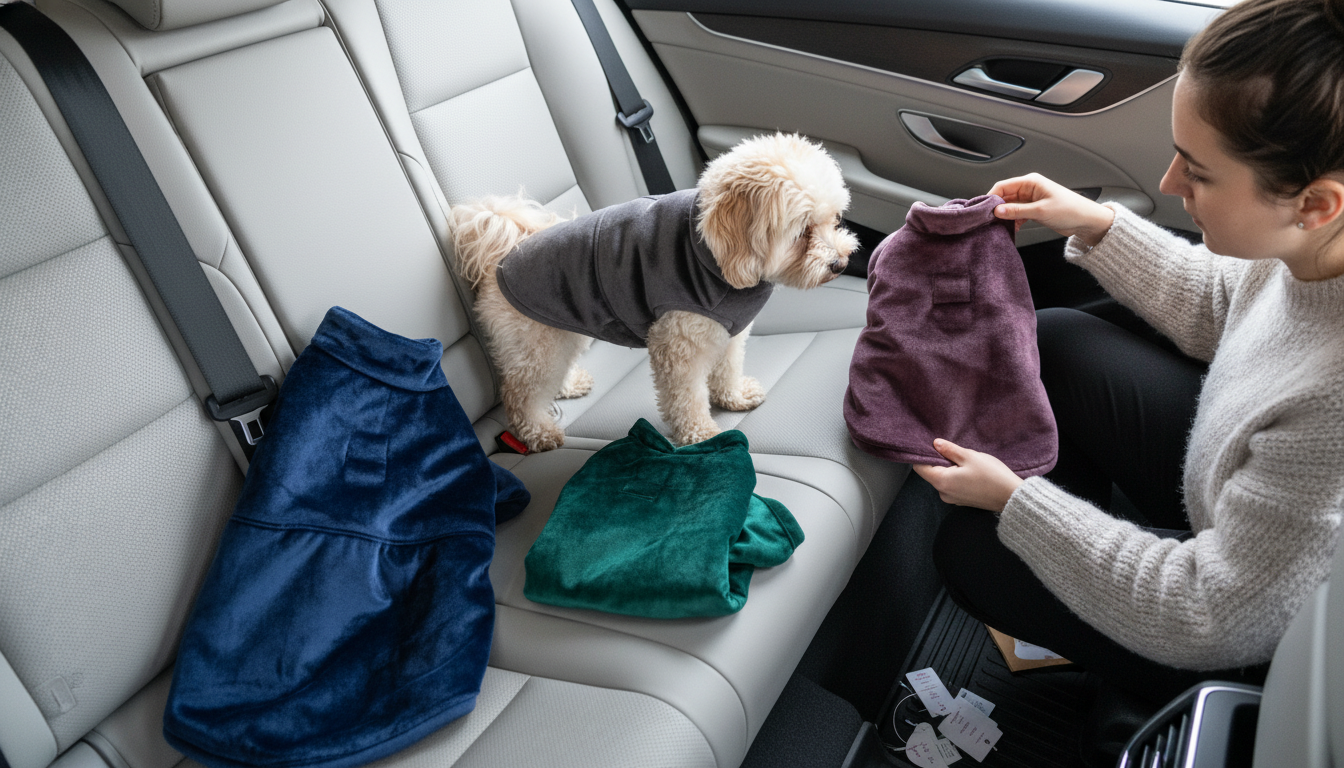
Should I size up or down if my pet is between sizes for a velvet winter jacket?
If your pet lands between sizes for a velvet winter jacket, sizing up is usually the safer choice. Winter coats are meant to layer over fur and allow comfortable movement, and a slightly roomier fit helps prevent tightness across the chest, shoulders, or belly—areas that can quickly become restrictive in thicker fabrics.
How to choose the better size when you’re between sizes
Start with the chest measurement
The chest (girth) is typically the most important measurement for jackets. If your pet’s chest is between sizes, opt for the larger size. A coat that’s too snug in the chest can limit stride and breathing comfort, while a slightly larger chest can often be adjusted with straps or closures.
Consider back length—but don’t let it overrule comfort
If the back length is the only measurement between sizes and the chest fits well, you may be able to choose the smaller size to avoid extra fabric near the tail. However, if choosing down makes the coat tight anywhere else, go up.
Account for coat style and closures
Velvet winter jackets can feel less forgiving than stretchy knits. If the design has minimal adjustability (limited Velcro range, fewer snaps, or a structured cut), sizing up helps avoid pressure points. If there are generous adjustable straps, you have more flexibility to choose up and snug it down for a clean fit.
Watch for the “too small” signs
Size up if the jacket pulls when your pet sits, rides up toward the neck, presses into the armpits, or leaves noticeable indentations in fur after a short wear. A properly fitted winter jacket should sit smoothly, allow a full range of motion, and close without forcing the fasteners.
For a deeper walkthrough on measuring, fit checks, and common sizing scenarios, visit the full guide here: https://etellium.com/blog/should-i-size-up-or-down-if-my-pet-is-between-sizes-for-a-velvet-winter-jacket/.
FAQ
How do I measure my pet for a winter jacket?
Use a soft tape measure to record chest girth (behind the front legs), neck circumference, and back length (base of neck to base of tail). Measure with your pet standing naturally, and compare each number to the size chart—prioritizing chest for the best overall fit.













Leave a comment