Velvet Pet Jacket vs Sweater Layer: Winter Walk Guide
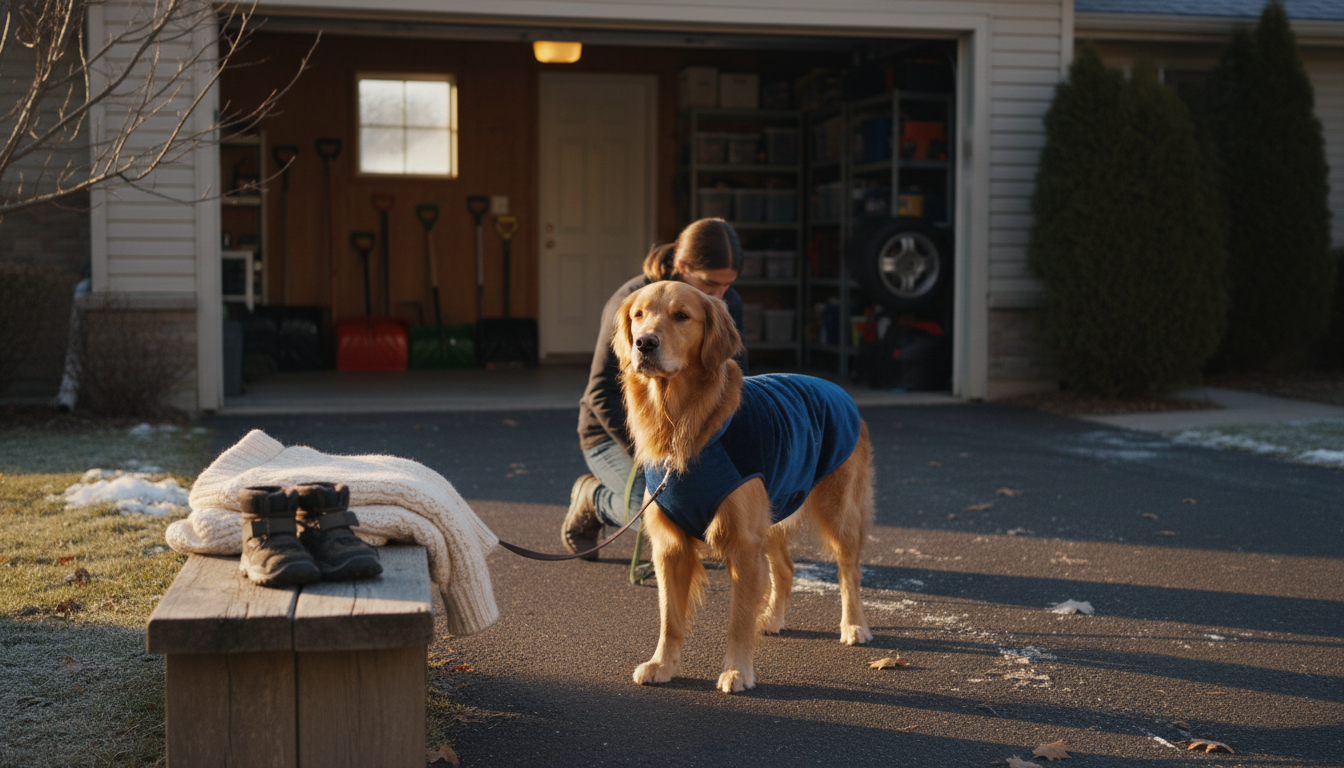
Is a velvet pet jacket warm enough for winter walks, or should I layer it with a sweater?
A velvet pet jacket can be warm enough for many winter walks, but it depends on the temperature, wind, your pet’s coat type, and how long you’ll be outside. Velvet is typically best at adding light-to-moderate warmth and blocking a bit of chill, but it isn’t always the most insulating option on its own—especially in windy, damp, or below-freezing conditions.
When a velvet jacket is usually enough
If the day is cool rather than frigid (roughly in the 40s–50s °F), your pet is moving continuously, and the walk is short to moderate, a velvet jacket may be sufficient. It’s often a comfortable choice for pets with average-to-thick coats and for quick neighborhood loops where you can head back inside easily if your pet starts to shiver.
When layering with a sweater is the better choice
Layering helps most when temperatures drop (often below the 40s °F), the wind is strong, or your pet is prone to getting cold. Small breeds, seniors, short-haired dogs, and pets with low body fat tend to benefit from a thin sweater under the jacket for added insulation. A sweater layer can also help on longer walks where body heat fades during stops at crosswalks, sniff breaks, or training pauses.
How to layer safely and comfortably
Choose a lightweight, non-bulky sweater so your pet can move freely and the jacket doesn’t feel tight at the chest, shoulders, or belly. Watch for signs of overheating indoors before you leave (panting, restlessness) and signs of chilling outside (shivering, lifting paws, tucking tail). If the jacket or sweater gets damp from snow or drizzle, swap to a dry layer afterward to prevent your pet from getting cold.
For more guidance on warmth, layering, and choosing the right outerwear setup for different winter conditions, visit the main guide here: https://etellium.com/blog/is-a-velvet-pet-jacket-warm-enough-for-winter-walks-or-should-i-layer-it-with-a-sweater/.
FAQ
What signs indicate my pet is too cold during a winter walk?
Common signs include shivering, slowing down, lifting or licking paws, tucking the tail, and trying to head back home. If you notice these, shorten the walk, add a layer next time, and consider paw protection in icy conditions.
















Leave a comment