-
Shop
- Adidas
- Advanced Technologies
- AI Skills Mastery 2026 Collection
- Behavior & Emotions
- Best-Sellers
- Budget, Small-Space & DIY
- Car Accessories
- Daily Routines & Care
- Dating & Social Skills
- Digital Resources
- Education & Learning
- Emotional Intelligence
- Everyday Tech Guides
- Family & Lifestyle Tech
- Family & Parenting
- Fashion
- Alexander McQueen
- Bags
- Bags & Wallets
- Balenciaga
- Belts
- Blazers
- Bottega Veneta
- Brunello Cucinelli
- Burberry
- Chanel
- Chloé
- Dior
- Dolce & Gabbana
- Dresses
- Etro
- Fendi
- Gucci
- Hats & Hair Accessories
- Jewelry
- Jil Sander
- Keychains
- Kiton
- Luggage
- Miu Miu
- Off-White
- Outerwear
- Prada
- Rick Owens
- Saint Laurent
- Shoes
- Socks & Tights
- Sunglasses
- The Row
- Tom Ford
- Valentino
- Valentino Garavani
- Versace
- Vivienne Westwood
- Watches
- Feeding & Nutrition
- Furniture
- Gadgets
- Health & Beauty
- Health & Wellness
- Home & Garden
- Home Styling & Organization
- Home Supplies
- Household Cleaning Guides
- Kids & Babies
- Kitchen
- Kitchen & Cooking
- Lighting
- Makeovers & Layouts
- Nike
- Nutrition & Hydration
- Parenting & Family Life
- Patio, Lawn & Garden
- Personal Growth
- Pet Care
- Pet Supplies
- Pets
- Productivity
- Safety & Health
- Sleep & Bedtime
- Smart Homes & Daily Tech Use
- Smartphones & Mobile Devices
- Sport & Outdoors
- Style & Atmosphere
- Training & Enrichment
- Travel
- Wealth
- Popular
- Best deals
Beginner Budgeting: Simple Steps to Start Today
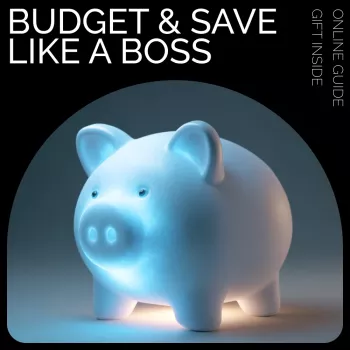
How should a beginner start a budget?
Start by keeping it simple and making your first budget more about clarity than perfection. A beginner-friendly budget works best when it’s built around your real income, your real bills, and a few realistic goals you can stick with.
1) Know your “take-home” income
Use the amount that actually hits your bank account after taxes and deductions. If your pay varies, start with the lowest typical month so you don’t overcommit.
2) List your non-negotiables first
Write down fixed essentials like rent/mortgage, utilities, insurance, minimum debt payments, and transportation. These are the categories that must be covered before anything else.
3) Track spending for one week, then one month
Pull up bank and card statements (or a budgeting app) and categorize your purchases. You’re not judging—just collecting data. Many beginners discover small “leaks” like subscriptions, convenience food, or impulse shopping.
4) Set spending limits that match your priorities
After essentials, decide what you want your money to do: build an emergency fund, pay down debt faster, or save for a goal. Give each category a limit, and leave some room for fun so the budget doesn’t feel like punishment.
5) Automate what you can
Automate savings transfers and bill payments to reduce missed due dates and decision fatigue. Even $10–$25 per paycheck adds up when it’s consistent.
6) Review weekly and adjust once a month
A budget is a living plan. Check in weekly to stay on track, then make monthly tweaks based on what actually happened.
For a step-by-step checklist that makes budgeting easier to follow, see this guide: https://etellium.com/blog/guide-budget-like-a-boss-simple-checklist-save-more/.
FAQ
What are the best budget categories for beginners?
Start with essentials (housing, utilities, food, transportation), financial goals (savings and debt payments), and lifestyle spending (entertainment, dining out, shopping). Keep categories broad at first, then split them into smaller buckets only if it helps you control overspending.














Leave a comment