-
Shop
- Adidas
- Advanced Technologies
- AI Skills Mastery 2026 Collection
- Behavior & Emotions
- Best-Sellers
- Budget, Small-Space & DIY
- Car Accessories
- Daily Routines & Care
- Dating & Social Skills
- Digital Resources
- Education & Learning
- Emotional Intelligence
- Everyday Tech Guides
- Family & Lifestyle Tech
- Family & Parenting
- Fashion
- Alexander McQueen
- Bags
- Bags & Wallets
- Balenciaga
- Belts
- Blazers
- Bottega Veneta
- Brunello Cucinelli
- Burberry
- Chanel
- Chloé
- Dior
- Dolce & Gabbana
- Dresses
- Etro
- Fendi
- Gucci
- Hats & Hair Accessories
- Jewelry
- Jil Sander
- Keychains
- Kiton
- Luggage
- Miu Miu
- Off-White
- Outerwear
- Prada
- Rick Owens
- Saint Laurent
- Shoes
- Socks & Tights
- Sunglasses
- The Row
- Tom Ford
- Valentino
- Valentino Garavani
- Versace
- Vivienne Westwood
- Watches
- Feeding & Nutrition
- Furniture
- Gadgets
- Health & Beauty
- Health & Wellness
- Home & Garden
- Home Styling & Organization
- Home Supplies
- Household Cleaning Guides
- Kids & Babies
- Kitchen
- Kitchen & Cooking
- Lighting
- Makeovers & Layouts
- Nike
- Nutrition & Hydration
- Parenting & Family Life
- Patio, Lawn & Garden
- Personal Growth
- Pet Care
- Pet Supplies
- Pets
- Productivity
- Safety & Health
- Sleep & Bedtime
- Smart Homes & Daily Tech Use
- Smartphones & Mobile Devices
- Sport & Outdoors
- Style & Atmosphere
- Training & Enrichment
- Travel
- Wealth
- Popular
- Best deals
White 2-Door Wardrobe Closet: Rod, Shelves & 3 Drawers
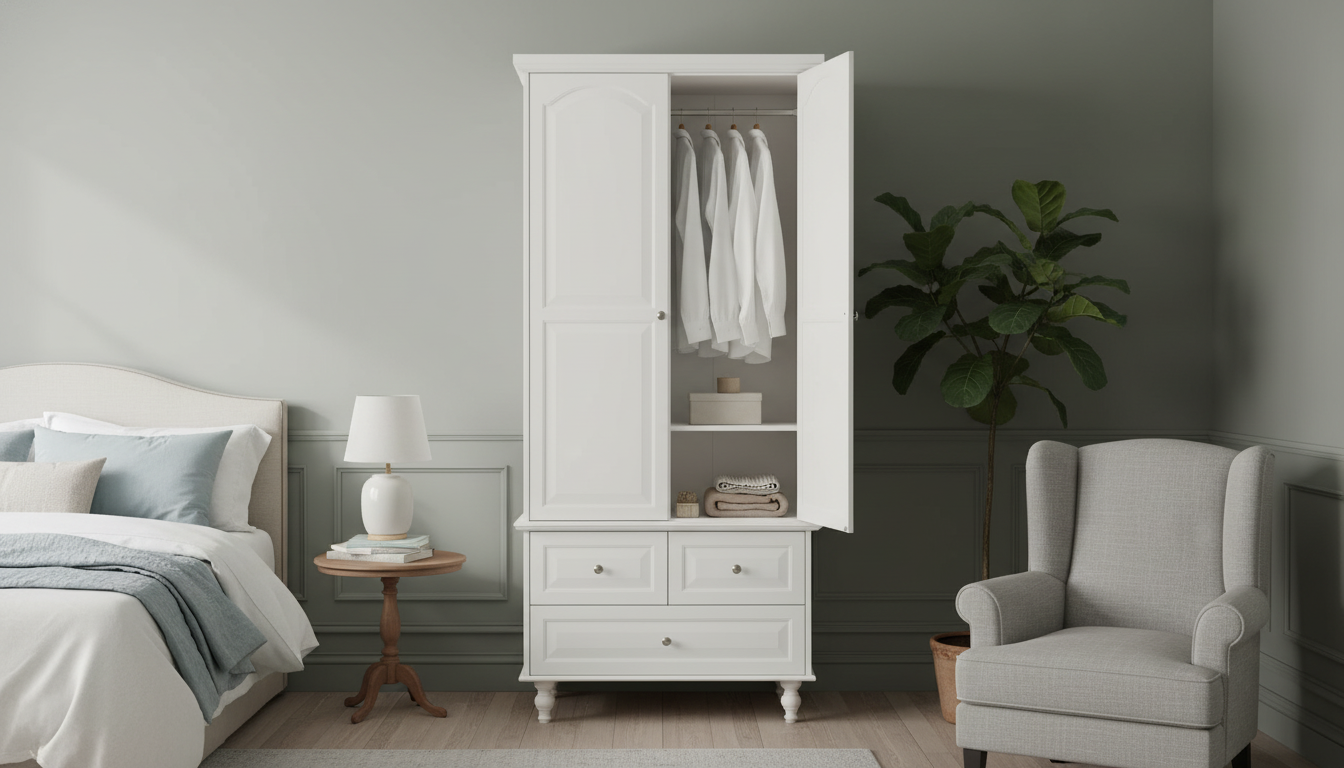
Modern White Wardrobe Closet with 2 Doors, Hanging Rod, Shelves & 3 Drawers
A clean-lined wardrobe closet can replace a built-in closet, add overflow storage to a bedroom, or create a tidy entryway drop zone. This modern white design pairs concealed shelving with a hanging rod and smooth-glide drawers, keeping clothing, linens, and accessories organized behind two doors. If you’re aiming for a calmer room with less visual clutter, a bright white wardrobe is one of the fastest ways to make storage feel intentional instead of improvised.
What This Wardrobe Adds to a Room
- Creates a dedicated clothes zone in rooms without a full closet.
- Keeps visual clutter low with two closed doors and a crisp, bright finish.
- Combines three storage types—hang, stack, and tuck away—so everyday items stay easy to find.
- Works well for bedrooms, guest rooms, studio apartments, and walk-in closet overflow.
The biggest upgrade is how “finished” the space feels: instead of a freestanding rack and a few bins, everything has a place behind doors—especially helpful in multipurpose rooms where storage is always on display.
Storage Layout at a Glance
This wardrobe’s strength is balance. The hanging rod supports wrinkle-prone pieces, the shelves handle folded stacks and containers, and the drawers keep small items from migrating to countertops and chairs.
Storage components and best uses
| Component | Best for | Practical tip |
|---|---|---|
| Hanging rod | Wrinkle-prone clothing and outfits | Group by category (tops, dresses) and keep frequently worn pieces at eye level. |
| Upper shelves | Folded clothing, linens, storage bins | Use labeled bins for seasonal rotation and to prevent stacking slumps. |
| Lower shelves | Shoes, handbags, bulkier knits | Add a shelf liner to reduce scuffs and help items stay put. |
| 3 drawers | Small clothing and accessories | Use drawer organizers to separate socks, intimates, and everyday essentials. |
For capacity, slim hangers make a noticeable difference—especially if you’re storing shirts, blouses, and light jackets. If you plan to hang longer pieces, keep the bottom shelf zone clear so hems don’t bunch.
Modern White Finish: Styling Ideas
- Pairs easily with warm woods, black hardware, brushed nickel accents, and neutral textiles.
- Blends into minimalist, Scandinavian, contemporary, and transitional rooms.
- Helps brighten small or low-light spaces by reflecting ambient light.
- Looks cohesive when matched with white or light oak nightstands and a simple mirror nearby.
To keep the look modern, limit what sits on top (if anything). A single tray or basket can work, but an overfilled top surface tends to undo the streamlined effect of closed-door storage.
Where It Works Best (And Where to Avoid)
- Bedroom: use as the main closet for folded items plus daily outfits on the rod.
- Guest room: keep extra linens on shelves and a few hangers ready for visitors.
- Entryway: store coats on the rod and use drawers for gloves, hats, and walk gear.
- Avoid: tight hallways where doors cannot open fully; confirm door-swing clearance before placing.
If you’re placing it in a shared walkway (like between a bed and a dresser), measure the “open door” footprint—not just the wall width. That one step prevents daily frustration and helps the wardrobe feel built-in rather than in-the-way.
Setup and Assembly Considerations
- Plan a clear assembly area and protect flooring with a blanket or cardboard.
- Sort hardware before starting to reduce mid-build interruptions.
- Install shelves and drawers square to minimize rubbing and improve smooth operation.
- After placement, re-check fasteners and drawer alignment after 24–48 hours of use.
A practical approach is to assemble close to its final location, then carefully shift into position. This reduces the chance of twisting the frame while moving it through doorways or around furniture.
Safety and Stability Essentials
- Anchor freestanding wardrobes to the wall when possible—especially in homes with children or pets.
- Distribute weight: heavier items on lower shelves and in lower drawers; keep the rod for lighter garments.
- Do not overload drawers; spread dense items (like denim) across shelves to reduce strain.
- Keep the area in front of the doors clear to prevent snagging and accidental tipping during use.
For general guidance on preventing furniture tip-overs, review the U.S. Consumer Product Safety Commission recommendations: CPSC Furniture Tip-Over Prevention.
If you’re comparing composite-wood furniture and want to understand formaldehyde emissions standards, the EPA overview is a helpful reference: EPA: Formaldehyde and Composite Wood Products.
Everyday Organization Tips (Small Habits That Make It Work)
Care and Cleaning
Product Spotlight: Modern White Wardrobe Closet with 2 Doors
Shop the featured item here: Modern White Wardrobe Closet with 2 Doors, Hanging Rod, Shelves & 3 Drawers.
More In-Stock Picks
- The “Budget Like a Boss” Checklist | Digital Download (a simple way to plan purchases and track home setup costs)
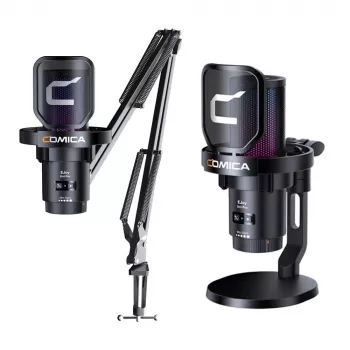
- Wireless RGB USB Gaming Microphone with Noise Cancellation & Boom Arm (a useful add-on for a bedroom office or studio corner)
FAQ
Does a wardrobe like this replace a built-in closet?
It can, especially when it includes hanging space plus shelves and drawers for folded items. Measure your available floor space and confirm door-swing clearance so it functions comfortably as your main clothing station.
How should weight be distributed between shelves, rod, and drawers?
Keep heavier items on lower shelves and in lower drawers for stability, and reserve the rod for lighter garments to avoid strain. Don’t overload drawers—spreading dense clothing like denim across shelves helps drawers glide more smoothly.
Should a freestanding wardrobe closet be anchored to the wall?
Yes when possible, particularly in homes with kids or pets, to reduce tip-over risk. Follow the manufacturer’s anchoring instructions and re-check fasteners after the first couple days of use.
Recommended for you


Why Babies Wake Up Often: Gentle Sleep Help by Age
May 13, 2026









Leave a comment