-
Shop
- Adidas
- Advanced Technologies
- AI Skills Mastery 2026 Collection
- Behavior & Emotions
- Best-Sellers
- Budget, Small-Space & DIY
- Car Accessories
- Daily Routines & Care
- Dating & Social Skills
- Digital Resources
- Education & Learning
- Emotional Intelligence
- Everyday Tech Guides
- Family & Lifestyle Tech
- Family & Parenting
- Fashion
- Alexander McQueen
- Bags
- Bags & Wallets
- Balenciaga
- Belts
- Blazers
- Bottega Veneta
- Brunello Cucinelli
- Burberry
- Chanel
- Chloé
- Dior
- Dolce & Gabbana
- Dresses
- Etro
- Fendi
- Gucci
- Hats & Hair Accessories
- Jewelry
- Jil Sander
- Keychains
- Kiton
- Luggage
- Miu Miu
- Off-White
- Outerwear
- Prada
- Rick Owens
- Saint Laurent
- Shoes
- Socks & Tights
- Sunglasses
- The Row
- Tom Ford
- Valentino
- Valentino Garavani
- Versace
- Vivienne Westwood
- Watches
- Feeding & Nutrition
- Furniture
- Gadgets
- Health & Beauty
- Health & Wellness
- Home & Garden
- Home Styling & Organization
- Home Supplies
- Household Cleaning Guides
- Kids & Babies
- Kitchen
- Kitchen & Cooking
- Lighting
- Makeovers & Layouts
- Nike
- Nutrition & Hydration
- Parenting & Family Life
- Patio, Lawn & Garden
- Personal Growth
- Pet Care
- Pet Supplies
- Pets
- Productivity
- Safety & Health
- Sleep & Bedtime
- Smart Homes & Daily Tech Use
- Smartphones & Mobile Devices
- Sport & Outdoors
- Style & Atmosphere
- Training & Enrichment
- Travel
- Wealth
- Popular
- Best deals
Soft Mesh Bath Pouf: Rich Lather, Gentle Exfoliation
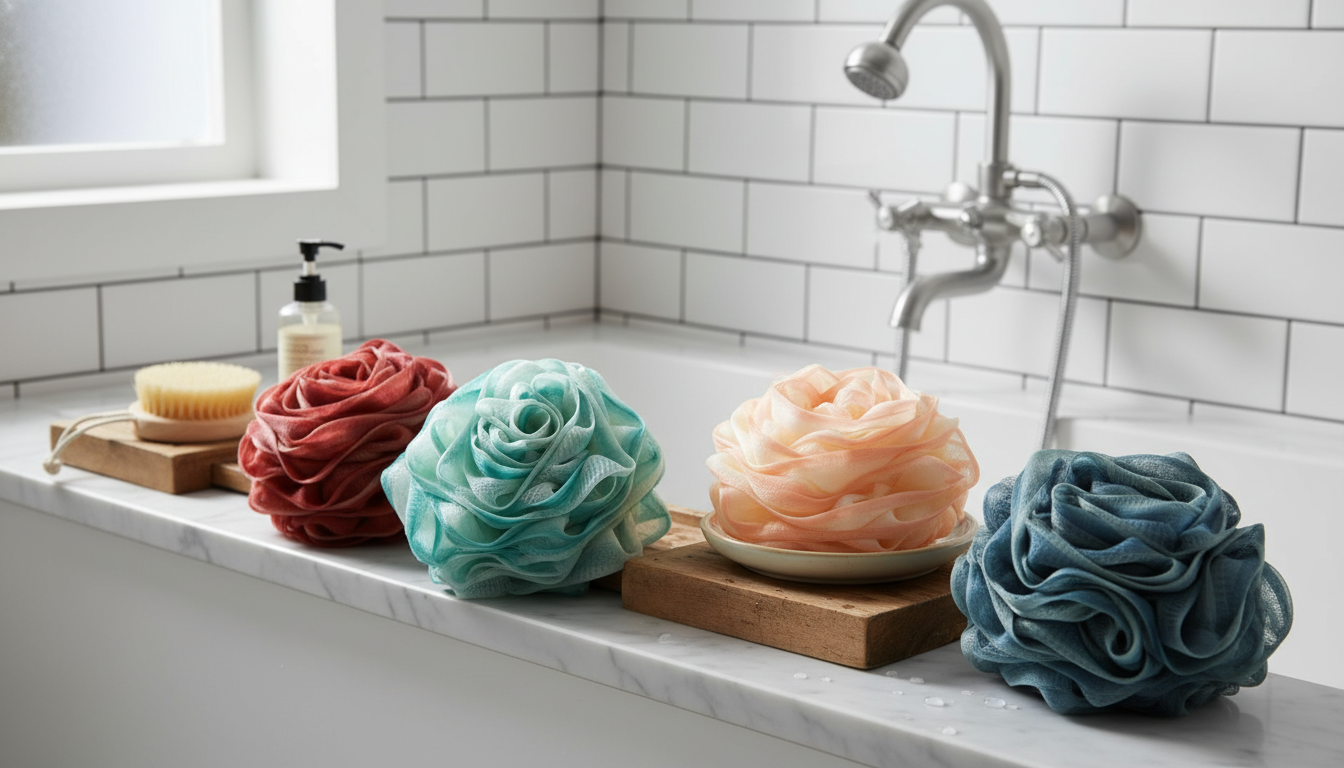
Soft Mesh Bath Pouf Exfoliating Body Sponge: A Simple Upgrade for Rich Lather and Smoother Skin
A soft mesh bath pouf is designed to boost lather, gently lift away surface buildup, and make everyday showers feel more thorough without adding time or clutter. The right pouf can make a small amount of body wash go further, help you rinse cleaner, and add a comfortable “polish” that leaves skin feeling softer. Below is what it does well, what it doesn’t replace, how to use it without over-scrubbing, and simple habits that help keep it fresher between washes. For more guidance, see Exfoliating Loofah Scrub, Natural Bath Sponge -10 Pack.
What a soft mesh bath pouf does (and doesn’t do)
A mesh pouf is essentially a cluster of lightweight loops that hold water and soap while increasing surface area. That simple design is why it’s so effective for everyday cleansing.
- Creates dense foam quickly from body wash or bar soap by increasing surface area.
- Provides light-to-moderate exfoliation that helps loosen dead skin on areas like arms, legs, and back.
- Supports more even cleansing in hard-to-reach spots when held and rotated in the hand.
- Doesn’t replace targeted exfoliation tools for rough patches (like pumice for heels) or treatment products for conditions such as eczema or active irritation.
If you’re dealing with frequent irritation, persistent itching, or flaking that doesn’t improve with gentle care, it’s worth adjusting your routine and reviewing safe exfoliation guidance from the American Academy of Dermatology Association.
Why soft mesh feels gentler than many scrubby options
Not all exfoliation tools feel the same. Mesh poufs tend to feel cushioned because the loops flex under pressure instead of scraping the skin.
- Mesh loops flex and distribute pressure, which can feel less abrasive than stiff bristles or coarse textured cloths.
- Exfoliation intensity is easy to control: lighter touch for sensitive areas, slightly firmer pressure for elbows and knees.
- Great for daily use for many people, but frequency should be adjusted if skin feels tight, itchy, or looks red.
If your skin runs dry—especially in colder months—pairing gentler cleansing with consistent moisturizing can make a noticeable difference. Mayo Clinic’s overview of dry skin care basics is a helpful reference for keeping the skin barrier comfortable.
How to use a bath pouf for better lather and a cleaner rinse
A pouf works best when it’s fully saturated and allowed to “open up.” From there, you’re mostly guiding the foam over the skin rather than grinding the tool against it.
- Wet the pouf thoroughly first so the mesh softens and expands.
- Add a small amount of body wash to the pouf (often less than expected is needed because it foams quickly).
- Use gentle circular motions; keep pressure light on the chest, neck, and any recently shaved areas.
- Rinse the pouf well at the end until water runs clear, then squeeze out excess water without twisting aggressively.
For an easier rinse (and less leftover residue), focus on two habits: keep adding water as you lather, and avoid packing thick cream cleansers deep into the center of the pouf. When the mesh releases suds easily, it usually rinses cleaner too.
Care and hygiene: keeping a mesh pouf fresher
Because a pouf holds moisture, the biggest factor in keeping it pleasant is drying time. A pouf that dries quickly between showers typically stays fresher than one that remains damp for hours.
- Hang it to dry in open air; avoid leaving it sitting in pooled water or pressed against a wet wall.
- If possible, keep it outside the shower spray zone so it dries faster between uses.
- Wash periodically: a warm rinse plus occasional cleaning (per product care guidance) helps reduce buildup of soap residue and oils.
- Replace when it looks frayed, holds odor even after cleaning, or no longer rinses clean easily.
Quick care schedule for a mesh pouf
| Task | How often | Notes |
|---|---|---|
| Rinse thoroughly after use | Every shower | Rinse until water runs clear; squeeze out water. |
| Dry completely | Every shower | Hang in a ventilated area to reduce lingering moisture. |
| Deep clean | Weekly or as needed | Use a method appropriate for the material; avoid harsh chemicals if not recommended. |
| Replace | Every few weeks to a few months | Sooner with shared bathrooms, frequent use, or if odor persists. |
Comfort and skin-safety tips for exfoliating
Gentle exfoliation should leave skin feeling smooth—not stinging or raw. A few small adjustments can keep your routine comfortable while still getting the benefits of a cleaner-feeling wash.
Product spotlight: Soft Mesh Bath Pouf Exfoliating Body Sponge
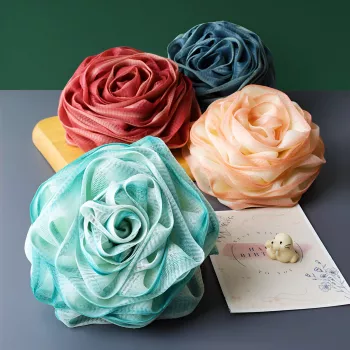
Soft Mesh Bath Pouf Exfoliating Body Sponge
More in-stock picks
- The “Budget Like a Boss” Checklist | Digital Download
- Wireless RGB USB Gaming Microphone with Noise Cancellation & Boom Arm
FAQ
How often should a mesh bath pouf be replaced?
A practical range is every few weeks to a few months, depending on how often it’s used and how quickly it dries. Replace it sooner if it stays smelly after cleaning, looks frayed or discolored, or seems to hold residue and won’t rinse clean.
Is a bath pouf safe for sensitive skin?
It can be safe for sensitive skin when used lightly and avoided on irritated or broken areas. Use minimal pressure, reduce frequency if you notice redness or tightness, and follow with a moisturizer to support comfort.
Can a bath pouf help with ingrown hairs?
It may help by gently removing surface buildup that can contribute to clogged follicles, especially when used with light pressure. Over-scrubbing can worsen irritation, so keep the technique gentle and avoid scrubbing over inflamed bumps.
Recommended for you

Choose a Booster Seat by Height, Weight & Belt Fit
May 15, 2026












Leave a comment