-
Shop
- Adidas
- Advanced Technologies
- AI Skills Mastery 2026 Collection
- Behavior & Emotions
- Best-Sellers
- Budget, Small-Space & DIY
- Car Accessories
- Daily Routines & Care
- Dating & Social Skills
- Digital Resources
- Education & Learning
- Emotional Intelligence
- Everyday Tech Guides
- Family & Lifestyle Tech
- Family & Parenting
- Fashion
- Alexander McQueen
- Bags
- Bags & Wallets
- Balenciaga
- Belts
- Blazers
- Bottega Veneta
- Brunello Cucinelli
- Burberry
- Chanel
- Chloé
- Dior
- Dolce & Gabbana
- Dresses
- Etro
- Fendi
- Gucci
- Hats & Hair Accessories
- Jewelry
- Jil Sander
- Keychains
- Kiton
- Luggage
- Miu Miu
- Off-White
- Outerwear
- Prada
- Rick Owens
- Saint Laurent
- Shoes
- Socks & Tights
- Sunglasses
- The Row
- Tom Ford
- Valentino
- Valentino Garavani
- Versace
- Vivienne Westwood
- Watches
- Feeding & Nutrition
- Furniture
- Gadgets
- Health & Beauty
- Health & Wellness
- Home & Garden
- Home Styling & Organization
- Home Supplies
- Household Cleaning Guides
- Kids & Babies
- Kitchen
- Kitchen & Cooking
- Lighting
- Makeovers & Layouts
- Nike
- Nutrition & Hydration
- Parenting & Family Life
- Patio, Lawn & Garden
- Personal Growth
- Pet Care
- Pet Supplies
- Pets
- Productivity
- Safety & Health
- Sleep & Bedtime
- Smart Homes & Daily Tech Use
- Smartphones & Mobile Devices
- Sport & Outdoors
- Style & Atmosphere
- Training & Enrichment
- Travel
- Wealth
- Popular
- Best deals
Retro Brown Leather Backpack Guide: Style, Fit & Care
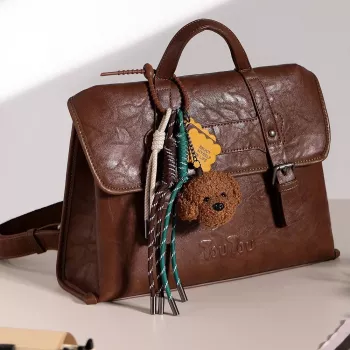
Retro Brown Leather Backpack: Classic Style for Everyday Carry
A retro leather backpack brings vintage character to daily life while staying practical for commutes, weekend plans, and smart-casual outfits. Brown leather, in particular, lands in that sweet spot: polished enough to look intentional, relaxed enough to pair with denim and boots, and resilient enough for repeat use. Below is a clear breakdown of what makes the retro look timeless, what to inspect before buying, how to pack it comfortably, and how to care for leather so it develops a rich, even patina over time.
What sets a retro leather backpack apart
Retro leather backpacks stand out because they balance classic style with modern utility. The silhouette is usually simple and structured—easy to pair with everything from a wool coat to minimal streetwear.
- Vintage-inspired shape: Complements denim, flannels, boots, peacoats, and clean sneakers without looking overly formal.
- Patina that tells a story: With regular handling, leather can darken slightly and soften at stress points, creating a more personal look over time.
- All-in-one daily carry: Room for core essentials like phone, wallet, keys, notebook, water bottle, sunglasses, and a light layer.
- Versatility in dress codes: A solid option when a briefcase feels too corporate and a sporty nylon pack feels too casual.
A closer look at the Retro Brown Leather Backpack
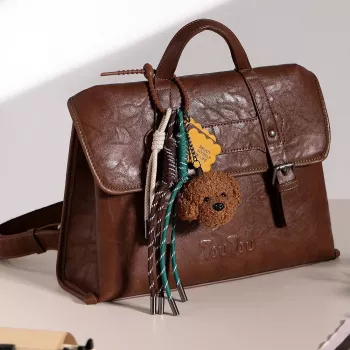
If the goal is an everyday bag that looks pulled together without feeling stiff, a brown retro finish is one of the easiest ways to get there. Leather backpacks are often chosen because they hold their shape better than thin fabric bags and tend to look more refined even with simple outfits.
- Color: Brown with a retro-inspired finish that pairs well with casual and elevated looks.
- Everyday durability: Leather’s structure helps the bag keep a clean profile in transit and on-the-go.
- Accessible classic styling: A budget-friendly way to get the leather aesthetic without moving into premium-luxury pricing.
- Best use: Daily carry for commuters, students, and travelers who want a polished bag without a rigid business case.
At-a-glance details
| Item | Detail |
|---|---|
| Product | Retro Brown Leather Backpack |
| Price | $58.97 |
| Availability | In stock |
| Category fit | Everyday carry, commute, casual travel |
Materials and build: what to check before buying
Leather backpacks can vary widely in feel and longevity. A quick inspection of materials and finishing details can help avoid common frustrations like peeling edges, snaggy zippers, or weak strap anchors.
- Leather type and finish: Aim for a finish that matches your routine. A more structured finish suits commuting and frequent packing/unpacking; a softer finish can feel more relaxed for casual carry.
- Stitching quality: Look for even stitching with reinforcement at stress points—strap anchors, handle base, corners, and zipper ends.
- Hardware: Zippers, buckles, and D-rings should move smoothly and feel solid. Avoid hardware that feels sharp-edged or overly lightweight.
- Lining and edges: A clean interior lining helps prevent snags, while properly finished edges reduce fraying or peeling over time.
For clear labeling guidance on leather and leather-like materials, the Federal Trade Commission’s Leather Guides are a helpful reference point.
Storage and organization for daily essentials
A retro backpack looks best when it keeps its shape—and it functions best when small items don’t disappear into the bottom. A simple packing system makes daily use faster and keeps the bag from feeling heavier than it needs to.
Comfort and fit: carrying leather without shoulder strain
If you want a simple fit checklist that applies to most backpacks, REI’s guide on how to fit a backpack offers a practical framework.
Outfit and occasion ideas for a retro brown leather look
Care and longevity: keeping leather looking better over time
Quick care guide
| Situation | What to do | What to avoid |
|---|---|---|
| Dust or light dirt | Wipe with a soft cloth | Abrasive pads or rough brushes |
| Minor scuffs | Gentle rub with clean cloth; consider a small amount of conditioner | Over-applying oils that can darken unevenly |
| Rain exposure | Blot, air-dry at room temperature | Hair dryers, radiators, direct heat |
| Long-term storage | Keep in a breathable bag, lightly stuffed | Sealed plastic bags that trap moisture |
For a broader view on responsible leather production standards and terminology, the Leather Working Group is a widely recognized industry resource.
More in-stock picks for everyday and travel
- Retro Brown Leather Backpack — A classic brown leather look for commute-ready daily carry.
- Weather-Resistant Luxury Spherical Camping Tent — A standout option for comfortable outdoor stays when you want more structure than a basic tent setup.
FAQ
How can leather backpacks be cleaned without damaging the finish?
Use a soft, dry cloth for dust, then a lightly damp cloth for surface grime. Condition occasionally with a leather-appropriate product (spot test first), and avoid harsh cleaners or heat-drying that can strip or crack the finish.
Do leather backpacks get heavier over time?
Leather itself doesn’t gain meaningful weight with age, but the bag can feel heavier if it’s consistently overpacked. Comfort usually improves with good strap adjustment and by keeping dense items close to the back panel.
How should a backpack fit for comfortable everyday use?
It should sit relatively high on your back with snug straps, minimal sway while walking, and no sharp pressure points on your shoulders. Balance the load left-to-right and avoid wearing it too low, which increases strain.












Leave a comment