-
Shop
- Adidas
- Advanced Technologies
- AI Skills Mastery 2026 Collection
- Behavior & Emotions
- Best-Sellers
- Budget, Small-Space & DIY
- Car Accessories
- Daily Routines & Care
- Dating & Social Skills
- Digital Resources
- Education & Learning
- Emotional Intelligence
- Everyday Tech Guides
- Family & Lifestyle Tech
- Family & Parenting
- Fashion
- Alexander McQueen
- Bags
- Bags & Wallets
- Balenciaga
- Belts
- Blazers
- Bottega Veneta
- Brunello Cucinelli
- Burberry
- Chanel
- Chloé
- Dior
- Dolce & Gabbana
- Dresses
- Etro
- Fendi
- Gucci
- Hats & Hair Accessories
- Jewelry
- Jil Sander
- Keychains
- Kiton
- Luggage
- Miu Miu
- Off-White
- Outerwear
- Prada
- Rick Owens
- Saint Laurent
- Shoes
- Socks & Tights
- Sunglasses
- The Row
- Tom Ford
- Valentino
- Valentino Garavani
- Versace
- Vivienne Westwood
- Watches
- Feeding & Nutrition
- Furniture
- Gadgets
- Health & Beauty
- Health & Wellness
- Home & Garden
- Home Styling & Organization
- Home Supplies
- Household Cleaning Guides
- Kids & Babies
- Kitchen
- Kitchen & Cooking
- Lighting
- Makeovers & Layouts
- Nike
- Nutrition & Hydration
- Parenting & Family Life
- Patio, Lawn & Garden
- Personal Growth
- Pet Care
- Pet Supplies
- Pets
- Productivity
- Safety & Health
- Sleep & Bedtime
- Smart Homes & Daily Tech Use
- Smartphones & Mobile Devices
- Sport & Outdoors
- Style & Atmosphere
- Training & Enrichment
- Travel
- Wealth
- Popular
- Best deals
Overnight Skin Hydration Routine for Deep Moisture + Glow
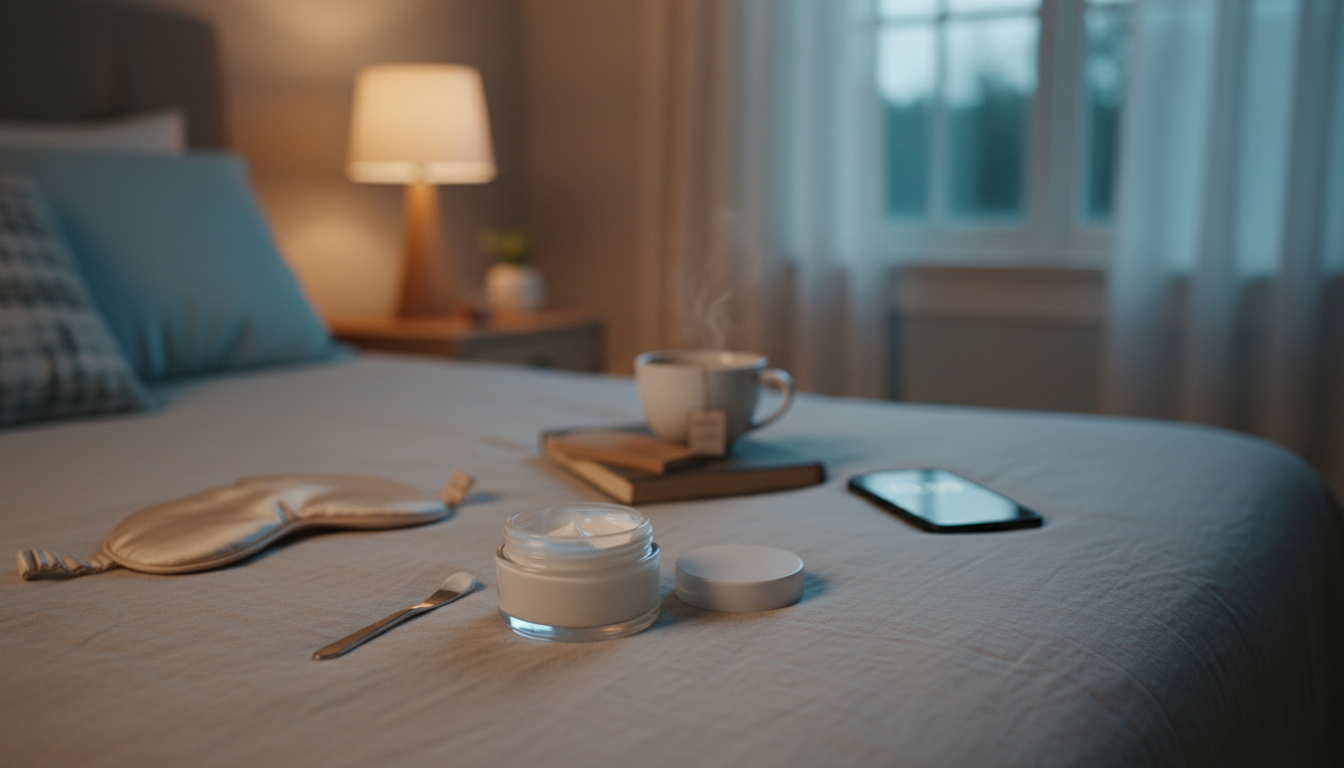
Overnight Skin Hydration: Deep Moisture, Glow, and Restorative Beauty Sleep
Nighttime is prime time for hydration and barrier repair. While you sleep, skin tends to lose more water (transepidermal water loss rises), and there’s a long stretch with no reapplication to “top off” what evaporates. The right evening routine can noticeably reduce tightness, dullness, and flaky texture by morning—without turning your bathroom counter into a chemistry lab. The goal stays simple: layer water-binding hydrators, seal them with barrier-supporting moisturizers, and skip common irritants that sabotage recovery.
Why Skin Feels Drier Overnight
Waking up with dry, tight skin doesn’t always mean you “forgot moisturizer.” It often means water escaped faster than your routine could hold onto it.
- Transepidermal water loss increases at night, so skin can feel tight by morning even after a good evening cleanse. Research overviews on barrier function and water loss can be found via NCBI.
- Indoor heating or air conditioning lowers humidity and speeds dehydration while you sleep.
- Barrier disruption from over-exfoliation, harsh cleansers, and frequent hot showers lets moisture escape faster.
- Sleep quality affects visible recovery; poor sleep can amplify dullness and uneven tone the next day. For broader recovery context, see the Sleep Foundation.
If dryness is frequent, it can help to follow dermatologist-backed self-care basics (especially around gentle cleansing and moisturizing). The American Academy of Dermatology Association offers practical guidance.
The Core Night Routine for Deep Moisture
Think of nighttime hydration as a “sandwich”: water-binding layers first, then comfort and sealing on top.
1) Cleanse gently
Use a mild, non-stripping cleanser and keep water lukewarm. Hot water can lift away protective lipids and leave skin more vulnerable overnight.
2) Hydrate immediately
Apply a humectant step on slightly damp skin so it has water to bind. Look for glycerin, hyaluronic acid, and panthenol—hydrators that play well with most routines.
3) Treat thoughtfully (optional)
If you’re sensitive, use one targeted active per night rather than stacking. Niacinamide supports barrier function, azelaic acid can calm visible redness, and retinoids should be introduced only as tolerated (especially if dryness is your main complaint).
4) Moisturize to seal
Choose a richer night cream than you’d use in the morning. The goal is to reduce overnight water loss while keeping skin comfortable and flexible.
5) Add an occlusive layer (optional)
For very dry or compromised skin, finish with a thin occlusive layer on the driest areas (think corners of the nose, cheeks, or flaky spots). This step is often the difference between “still tight” and “soft when I wake up.”
Ingredient Map: What Helps Most While You Sleep
Products can feel confusing because “hydrating” can mean different things. The simplest way to choose is to match ingredients to the job they do.
| Goal | Ingredient Types | Best For | Notes |
|---|---|---|---|
| Bind water in skin | Humectants (glycerin, hyaluronic acid, panthenol) | Dehydrated, tight skin | Apply to slightly damp skin, then seal with moisturizer |
| Rebuild comfort | Barrier lipids (ceramides, cholesterol, fatty acids, niacinamide) | Sensitive or compromised barrier | Introduce slowly if easily reactive |
| Reduce water loss | Occlusives (petrolatum, dimethicone, balms) | Very dry areas, winter dryness | Use thin layer; spot-apply if acne-prone |
| Smooth texture | Emollients (squalane, shea, oils) | Roughness and flaking | Patch test if prone to clogged pores |
For reactive skin, soothing add-ons like colloidal oatmeal, allantoin, centella, and bisabolol can reduce the urge to over-cleanse or scratch—two habits that tend to undo overnight progress.
Skin-Type Night Plans (Simple and Adjusted)
Oily or acne-prone
Use a lightweight hydrating serum plus a non-comedogenic moisturizer. Save occlusives for truly dry corners (spot-only) and avoid layering multiple heavy oils that can feel suffocating.
Dry or mature
Pair a hydrating essence/serum with a richer ceramide cream. If you still wake up tight, use a sleeping mask or balm 2–4 nights per week, concentrating on cheeks and areas that flake.
Sensitive or rosacea-prone
Keep steps minimal: gentle cleanse, barrier cream, and only low, consistent actives. Skip strong fragrance and frequent exfoliation—steady calm usually beats aggressive “fixing.”
Combination
Hydrate all over, then use richer moisturizer on cheeks while keeping the T-zone lighter. This targeted approach helps reduce shine and congestion without leaving drier areas under-supported.
Habits That Make Overnight Hydration Work Better
A 7-Night Reset for a Softer Morning Glow
A Guided Night Routine You Can Follow Step by Step
Consistency beats complexity. If you want a ready-to-follow framework with a clear nightly flow, explore Overnight Skin Hydration – Ultimate Nighttime Skincare Guide for Deep Moisture, Glowing Skin & Restorative Beauty Sleep.
For anyone who does best with simple checklists and repeatable routines (including sleep-friendly wind-down structure), the digital download The “Budget Like a Boss” Checklist | Digital Download to Learn How to Budget and Save Money | Easy Printable Budgeting Guide can also be a practical way to standardize daily habits—because steady routines often show up on your skin, too.
FAQ
Should moisturizer go on damp or dry skin at night?
Humectants work best on slightly damp skin, followed by moisturizer to seal in that water. If your skin is very sensitive, pat dry gently and apply right away to minimize irritation while still preventing moisture loss.
Is it okay to use an occlusive like petrolatum every night?
It can be very helpful for very dry or compromised skin, especially in winter or low-humidity homes. If you’re acne-prone, spot-apply to dry zones or use it a few nights per week instead of all over.
Why does skin look dull in the morning even after moisturizing?
Common reasons include not sealing well enough (so water still evaporates overnight), over-exfoliation, low bedroom humidity, or poor sleep quality. Simplifying your routine and prioritizing barrier-support ingredients often improves morning glow within a week.
Recommended for you



Wooden Star Crib Mobile: Music, Rattles & Safe Setup
May 13, 2026
55-Inch Heavy-Duty Z-Leg Computer Desk Setup Guide
May 13, 2026













Leave a comment