Heavy-Duty Outdoor Greenhouse: Aluminum Frame + Vent
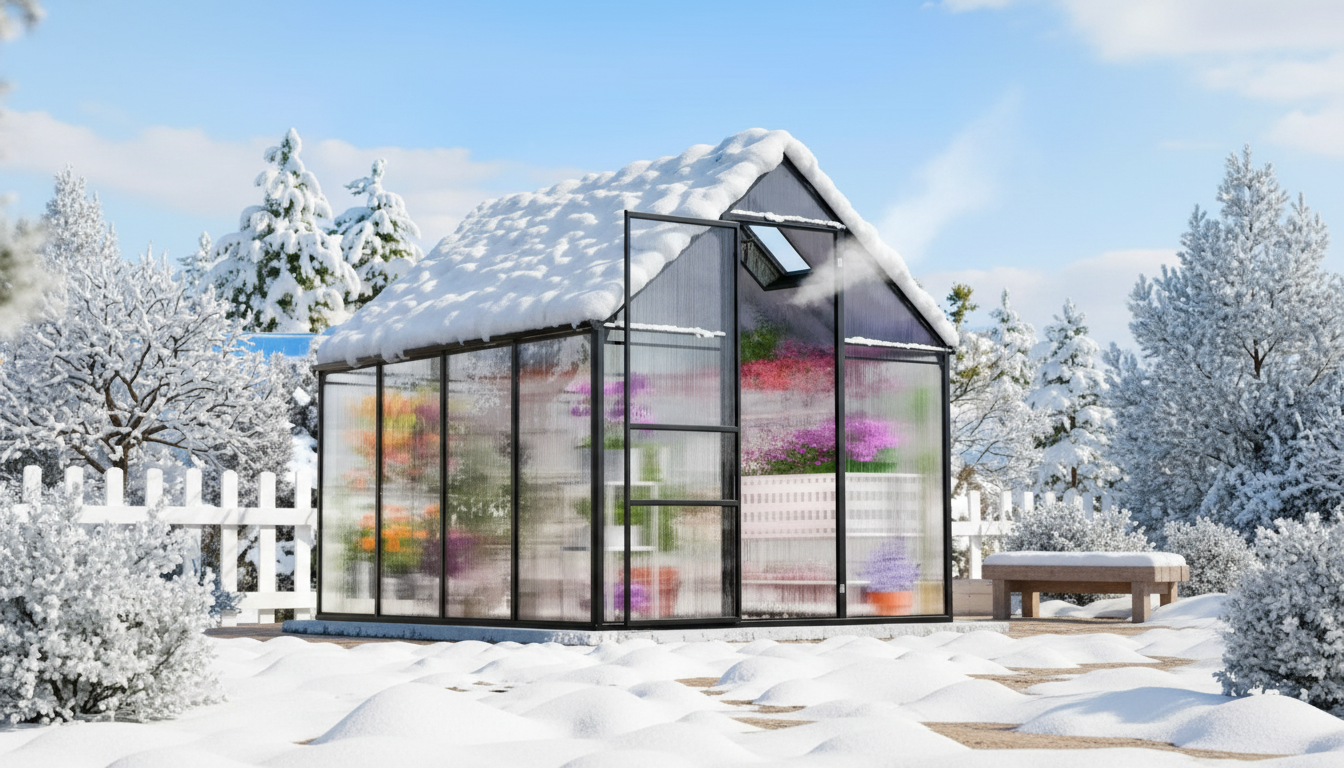
Heavy-Duty Outdoor Greenhouse with Aluminum Frame and Vent Window
Designed for four-season backyard growing, this greenhouse pairs a rigid aluminum frame with a vent window to help stabilize temperature and humidity. The result is a more controllable environment for seedlings, herbs, vegetables, and overwintering plants—without relying on improvised covers or temporary shelters. When weather shifts quickly (cold nights, surprise wind, or a sudden heat spike), a sturdy frame and predictable ventilation can be the difference between steady growth and constant troubleshooting.
What Makes a Greenhouse “Heavy-Duty” Outdoors
“Heavy-duty” isn’t just about thicker parts—it’s about how the whole structure behaves in real outdoor conditions. A greenhouse that performs well across seasons typically focuses on strength, durable materials, and components that stay aligned even after repeated temperature swings.
- Frame rigidity that resists racking during gusty weather and seasonal storms
- Corrosion-resistant materials that hold up to rain, irrigation splash, and fertilizer exposure
- Stable panel or covering attachment points that reduce rattling, gaps, and heat loss
- A door and vent system that maintains alignment over time for predictable airflow control
For gardeners dealing with variable conditions, structural stability also helps with day-to-day usability: doors close cleanly, vents seal when needed, and panels stay seated without constant adjustment.
Aluminum Frame Advantages for Long-Term Use
An aluminum frame is a practical choice for an outdoor greenhouse because it delivers strength without the constant upkeep that can come with other materials. It also makes the build easier to handle during installation and simpler to maintain after it’s in place.
- Naturally rust-resistant, making it well-suited for humid interiors and wet climates
- Lightweight strength: easier handling during assembly while remaining structurally capable
- Lower maintenance compared with painted steel that can chip or wood that can swell or rot
- Clean profiles that make sealing edges and managing condensation easier
If the goal is season extension without adding a long list of chores, aluminum’s “set it and keep it tidy” nature can be a major win—especially in regions where rain, irrigation overspray, and damp soil are part of daily gardening.
Vent Window: Practical Climate Control Without Complexity
Ventilation is one of the simplest tools for greenhouse climate control, and a vent window is a direct way to release heat and moisture before they build up. Because hot air rises, venting near the roofline helps dump excess heat quickly on sunny days—even when outdoor temperatures still feel mild.
- Reduces heat spikes by releasing trapped hot air near the top of the structure
- Improves airflow to help limit condensation that can encourage mildew and fungal issues
- Supports healthier growth by balancing humidity—especially important during propagation
- Works with add-ons like auto vent openers or small circulation fans (if desired)
Guidance from the Royal Horticultural Society underscores how ventilation and temperature management are closely linked in greenhouse growing. In practical terms: vent early, monitor midday conditions, and close down as temperatures drop to retain warmth.
Best Uses Through the Seasons
A heavy-duty outdoor greenhouse isn’t just for spring starts. It’s a flexible space that can support different plant goals all year, especially when matched to your local climate. For regional planning, the USDA Plant Hardiness Zone Map is a helpful reference for understanding winter lows and frost timing.
- Spring: seed starting and hardening off transplants with protection from late frosts
- Summer: extending harvests with controlled ventilation and shade strategies during peak heat
- Fall: keeping peppers, tomatoes, and greens productive longer as nights cool
- Winter: overwintering hardy plants, storing dormant pots, and protecting perennials from wind burn
- Shoulder-season storms: shielding delicate foliage and blossoms from heavy rain and hail
For foundational greenhouse use and planting approaches, the University of Minnesota Extension offers practical guidance that applies to many backyard setups.
Setup Considerations for a Stable Installation
Even a strong greenhouse benefits from careful placement and a stable base. A few upfront decisions can improve door alignment, reduce drafts, and make daily care more comfortable.
Quick Specs Checklist
| Feature | Why It Matters | What to Confirm Before Setup |
|---|---|---|
| Aluminum frame | Durability outdoors and resistance to corrosion | Anchoring method and level base for long-term alignment |
| Vent window | Heat release and humidity control | Vent opening clearance and prevailing wind direction |
| Door access | Daily usability for watering and harvesting | Path space, door swing/slide clearance, and step-over height if any |
| Panel/cover fit | Warmth retention and fewer drafts | Sealing edges, clip/fastener tightness, and rattle reduction |
| Interior layout | Efficient workflow and plant spacing | Shelving/bench placement and hose/power routing if used |
Care and Upkeep for Reliable Performance
Product Options
-
Heavy-Duty Outdoor Greenhouse with Aluminum Frame and Vent Window
— A sturdy, outdoor-ready greenhouse solution designed around an aluminum frame and vent window for everyday climate management. -
Weather-Resistant Luxury Spherical Camping Tent
— An all-weather shelter option that can serve as a covered outdoor space for seasonal projects, staging plants, or protected setup during unpredictable weather.
FAQ
Does an aluminum-frame greenhouse need anchoring?
Yes—anchoring is recommended for outdoor stability, especially in windy areas. Ground anchors, a secured base frame, or mounting to concrete/pavers can help prevent shifting, and a level base also improves door alignment while reducing stress on joints.
How should the vent window be used on hot days?
Open the vent early to prevent heat buildup, then adjust based on temperature and wind. If heat is intense, pairing venting with shade cloth and improved airflow (like a small fan) can help, then close the vent as temperatures drop in the evening.
How can condensation be reduced inside the greenhouse?
Vent briefly in the morning, avoid overwatering late in the day, and keep air moving around foliage so moisture doesn’t linger. Balanced ventilation is often the simplest fix, especially when nights are cool and humidity rises overnight.













Leave a comment