-
Shop
- Adidas
- Advanced Technologies
- AI Skills Mastery 2026 Collection
- Behavior & Emotions
- Best-Sellers
- Budget, Small-Space & DIY
- Car Accessories
- Daily Routines & Care
- Dating & Social Skills
- Digital Resources
- Education & Learning
- Emotional Intelligence
- Everyday Tech Guides
- Family & Lifestyle Tech
- Family & Parenting
- Fashion
- Alexander McQueen
- Bags
- Bags & Wallets
- Balenciaga
- Belts
- Blazers
- Bottega Veneta
- Brunello Cucinelli
- Burberry
- Chanel
- Chloé
- Dior
- Dolce & Gabbana
- Dresses
- Etro
- Fendi
- Gucci
- Hats & Hair Accessories
- Jewelry
- Jil Sander
- Keychains
- Kiton
- Luggage
- Miu Miu
- Off-White
- Outerwear
- Prada
- Rick Owens
- Saint Laurent
- Shoes
- Socks & Tights
- Sunglasses
- The Row
- Tom Ford
- Valentino
- Valentino Garavani
- Versace
- Vivienne Westwood
- Watches
- Feeding & Nutrition
- Furniture
- Gadgets
- Health & Beauty
- Health & Wellness
- Home & Garden
- Home Styling & Organization
- Home Supplies
- Household Cleaning Guides
- Kids & Babies
- Kitchen
- Kitchen & Cooking
- Lighting
- Makeovers & Layouts
- Nike
- Nutrition & Hydration
- Parenting & Family Life
- Patio, Lawn & Garden
- Personal Growth
- Pet Care
- Pet Supplies
- Pets
- Productivity
- Safety & Health
- Sleep & Bedtime
- Smart Homes & Daily Tech Use
- Smartphones & Mobile Devices
- Sport & Outdoors
- Style & Atmosphere
- Training & Enrichment
- Travel
- Wealth
- Popular
- Best deals
Cozy Fleece Hooded Pet Jacket: Fit & Warmth Tips
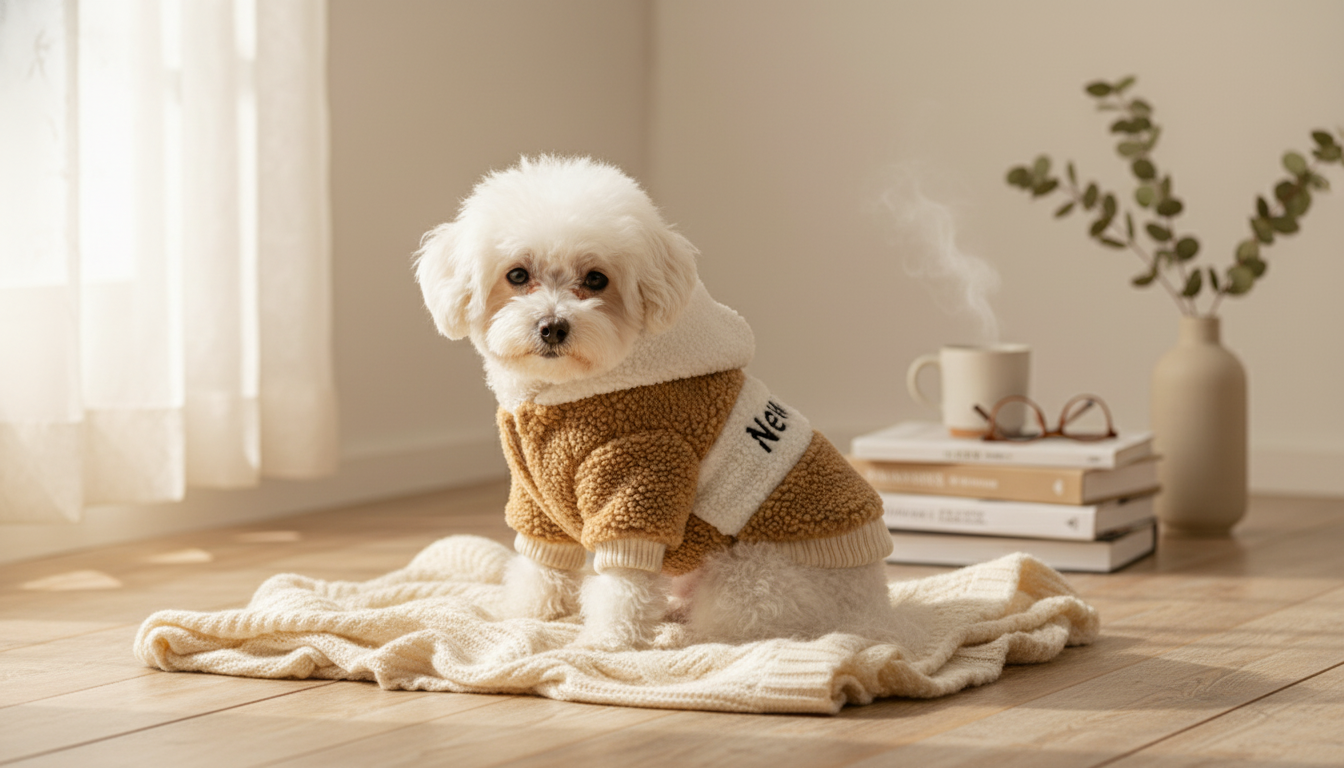
Cozy Fleece Hooded Pet Jacket for Small Dogs & Cats: Warmth, Fit, and Everyday Comfort
Chilly walks, drafty homes, and quick potty breaks can be uncomfortable for small pets that lose heat fast. A soft fleece hooded jacket adds an extra layer without restricting movement, helping dogs and cats stay comfortable during cool-weather routines. For many households, it’s a simple way to support warmth while keeping day-to-day life easy: slip it on, head out, and come back in without the bulk of heavy winter gear.
Why Small Dogs and Cats Get Cold Faster
When the temperature drops, smaller pets often feel it sooner than larger breeds. Their bodies can cool down quickly, especially if they’re exposed to wind, damp sidewalks, or chilly morning air. Pets with short coats, low body fat, senior pets, and those managing health conditions may also need extra support to stay comfortable.
Cats can be overlooked in cold-weather planning, but cats that enjoy supervised outdoor time—like patio lounging or leash walks—may appreciate a light insulating layer on cooler days. Comfort also matters indoors: air conditioning, tile floors, and drafty rooms can lead to constant “seeking warm spots” behavior, which is often a hint that your pet would enjoy an extra layer.
For general cold-weather safety reminders, reputable guidance from the American Veterinary Medical Association (AVMA) and the ASPCA is a helpful reference point, especially for very small pets or extreme weather.
What Makes a Fleece Hooded Jacket Practical
Fleece is a popular choice for pet apparel because it’s warm without being heavy. That “low-bulk warmth” matters for small dogs and cats who may dislike stiff fabrics or thick padding that alters their natural gait. A fleece layer can also reduce the shock of stepping into a cold hallway or out the door for a short bathroom break.
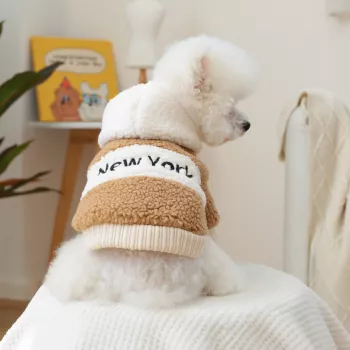
A hooded design adds coverage around the neck area, which is a spot where drafts can sneak in. Many pets prefer wearing the hood down—and that’s perfectly fine. Even with the hood resting back, the jacket can help protect the upper back and neck area from cooler air.
Another day-to-day advantage is comfort: a soft interior feel can reduce rubbing compared to rougher materials. Simple closures and a straightforward cut can also make “on and off” quicker, which is ideal for busy mornings, brief errands, or quick potty trips.
Cozy Fleece Hooded Pet Jacket: Highlights and Use Cases
If you’re looking for a warm layer that’s easy to use and gentle on sensitive pets, the Cozy Fleece Hooded Pet Jacket for Small Dogs & Cats is designed to cover the basics: warmth, comfort, and a fit that doesn’t get in the way.
- Made for small dogs and cats who need a cozy layer during cooler conditions.
- Useful for cool morning walks, quick potty trips, car rides, and lounging in colder rooms.
- Works well as a standalone layer in mild cold or as a mid-layer under a rain shell when the forecast turns wet.
- Budget-friendly comfort for pet parents who want warmth without heavy winter gear.
For outdoor-loving families who plan longer adventures, pairing warm pet apparel with a comfortable basecamp setup can make outings smoother. If you’re building a pet-friendly campsite, the Weather-Resistant Luxury Spherical Camping Tent is an option for creating a sheltered, weather-protected area where pets can rest out of the wind.
Sizing and Fit: Measuring for Comfort and Safety
Quick Fit Check for a Fleece Pet Jacket
| Checkpoint | What to Look For | Adjustment Tip |
|---|---|---|
| Chest fit | Two fingers of space; no squeezing when breathing | Size up if the fabric stretches tight when the pet sits |
| Neck/hood area | No rubbing at throat; pet can turn head easily | Keep hood down if it bothers the pet |
| Back length | Covers the back without blocking tail movement | Shorter is better than overly long for potty comfort |
| Leg clearance | Front legs move freely with no chafing | Re-check after a short walk indoors |
| Overall comfort | Pet walks normally and relaxes without fussing | Use short wear sessions to build comfort |
How to Put It On (and Help Pets Accept It)
Care and Durability Tips for Fleece Pet Apparel
When a Jacket Isn’t the Right Choice
For freezing temperatures, wet snow, or long outings, a fleece layer may need backup. Consider pairing insulation with weather protection (like a rain shell) or shortening outdoor time. If you’re concerned about cold-related risks, VCA Animal Hospitals offers an overview of hypothermia in dogs that can help pet parents recognize when conditions are more than just “a little chilly.”
Product Details and Where to Get It
- Product: Cozy Fleece Hooded Pet Jacket for Small Dogs & Cats
- Price: $8.67 USD
- Availability: In stock
- Best for: small pets needing a comfortable warmth layer during cool conditions
If you’re planning ahead for pet-related costs across seasons—gear, grooming, and everyday essentials—the “Budget Like a Boss” Checklist can be a simple way to organize spending and set aside funds for recurring pet needs.
FAQ
How do you measure a dog or cat for a fleece jacket?
Measure chest girth at the widest part and back length from the base of the neck to the base of the tail. If your pet is between sizes, prioritize a comfortable chest fit, then confirm movement with a short indoor walk test.
Can cats wear hooded jackets safely?
Yes, with supervision and the correct fit. Keep the hood down if it bothers your cat, avoid leaving clothing on unattended, and watch for stress signs like freezing, persistent wriggling, or agitation.
Is fleece warm enough for winter walks?
It depends on temperature, wind, wet conditions, and your pet’s size and coat. Fleece is great for mild-to-cool weather and short trips; for very cold or wet conditions, add a weather-resistant layer or reduce time outside.














Leave a comment