-
Shop
- Adidas
- Advanced Technologies
- AI Skills Mastery 2026 Collection
- Behavior & Emotions
- Best-Sellers
- Budget, Small-Space & DIY
- Car Accessories
- Daily Routines & Care
- Dating & Social Skills
- Digital Resources
- Education & Learning
- Emotional Intelligence
- Everyday Tech Guides
- Family & Lifestyle Tech
- Family & Parenting
- Fashion
- Alexander McQueen
- Bags
- Bags & Wallets
- Balenciaga
- Belts
- Blazers
- Bottega Veneta
- Brunello Cucinelli
- Burberry
- Chanel
- Chloé
- Dior
- Dolce & Gabbana
- Dresses
- Etro
- Fendi
- Gucci
- Hats & Hair Accessories
- Jewelry
- Jil Sander
- Keychains
- Kiton
- Luggage
- Miu Miu
- Off-White
- Outerwear
- Prada
- Rick Owens
- Saint Laurent
- Shoes
- Socks & Tights
- Sunglasses
- The Row
- Tom Ford
- Valentino
- Valentino Garavani
- Versace
- Vivienne Westwood
- Watches
- Feeding & Nutrition
- Furniture
- Gadgets
- Health & Beauty
- Health & Wellness
- Home & Garden
- Home Styling & Organization
- Home Supplies
- Household Cleaning Guides
- Kids & Babies
- Kitchen
- Kitchen & Cooking
- Lighting
- Makeovers & Layouts
- Nike
- Nutrition & Hydration
- Parenting & Family Life
- Patio, Lawn & Garden
- Personal Growth
- Pet Care
- Pet Supplies
- Pets
- Productivity
- Safety & Health
- Sleep & Bedtime
- Smart Homes & Daily Tech Use
- Smartphones & Mobile Devices
- Sport & Outdoors
- Style & Atmosphere
- Training & Enrichment
- Travel
- Wealth
- Popular
- Best deals
Child Car Booster Seat Guide: Belt Fit, Types, Comfort
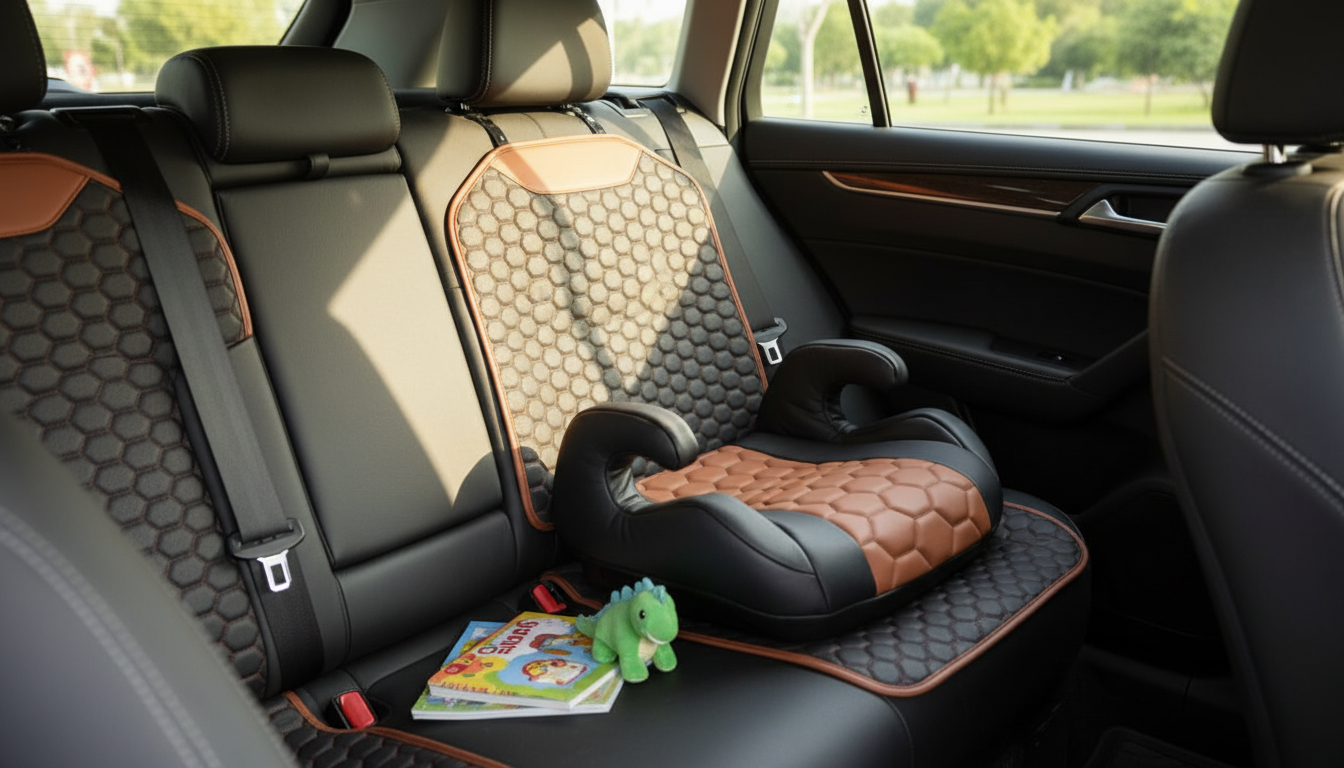
Child Car Booster Seat: Fit, Safety, and Everyday Comfort
A booster seat helps a child ride safely by positioning the vehicle’s seat belt so it fits across stronger bones instead of soft areas of the body. The best booster for your family depends on your child’s height and maturity, your vehicle’s seating and belt geometry, and how consistently the booster will be used (carpooling, grandparents’ car, travel, and more). Below are clear, practical steps for deciding when a booster is appropriate, how to choose between booster styles, how to check seat belt fit, and what matters for daily comfort.
When a Booster Seat Is the Right Next Step
A booster is designed for a specific stage: after a child has outgrown a forward-facing harnessed car seat but before the vehicle belt fits correctly on its own. Most importantly, a booster only works when a child can stay in position for the entire ride—awake or asleep.
- Use a booster only after your child outgrows a forward-facing harnessed seat (follow the harness seat’s height/weight limits).
- A booster is best for kids who can sit upright without slouching or leaning out of the belt path for the whole trip.
- The goal is belt positioning: the lap belt should sit low on the hips/upper thighs, and the shoulder belt should cross the center of the chest and shoulder.
- Keep kids in the back seat whenever possible for better protection.
For general guidance on transitions and best practices, review resources from NHTSA and the American Academy of Pediatrics.
Booster Types and Which One Fits Your Routine
There are two common booster styles—high-back and backless. Both can be safe when they deliver good belt fit and are used correctly every ride. The right choice usually comes down to your vehicle’s head support, how well the shoulder belt lines up, and how often you’ll move the booster between cars.
- High-back boosters provide head/neck support and built-in belt guides—especially helpful if your vehicle has low seatbacks or no headrests where your child sits.
- Backless boosters are compact and easy to transfer between vehicles, but they require proper head support from the vehicle (headrest or seatback behind the child).
- Belt guides matter: shoulder-belt guides should keep the belt centered on the shoulder without rubbing the neck or slipping off.
- Pick the best match: prioritize the seating position the booster will be used in most often, then factor in comfort and portability.
Quick guide to booster styles
| Type | Best for | Watch-outs |
|---|---|---|
| High-back booster | Vehicles with low seatbacks or no headrest; kids who nap in the car | Ensure headrest height adjusts so the shoulder belt stays in the guide |
| Backless booster | Carpooling, travel, easy switching between vehicles | Vehicle must provide head support to at least the top of the child’s ears |
How to Check Seat Belt Fit in the Car
Belt fit can vary dramatically between vehicles—and even between seating positions in the same vehicle. Do a quick belt-fit check in the exact seat where your child will ride most often, then repeat if you switch cars or rearrange seating.
Belt-fit checklist (use at each seating position)
| Check | Correct | Needs adjustment |
|---|---|---|
| Lap belt placement | Low on hips/upper thighs | Across belly or riding up |
| Shoulder belt path | Centered on shoulder/chest | On neck, off shoulder, behind back, or under arm |
| Child posture | Sits upright for the full trip | Slouches, leans, or scoots forward |
| Vehicle head support (if backless) | Supports head to at least top of ears | No headrest/low seatback behind head |
Installation and Setup Essentials
Comfort and Everyday Usability Features That Matter
Product Spotlight: Child Car Booster Seat
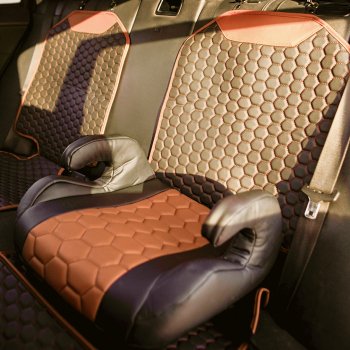
If you’re looking for a dedicated booster to help improve belt fit and riding posture, the Child Car Booster Seat is a practical place to start. Before purchasing, confirm the seating position you plan to use has a lap-shoulder belt, and confirm head support behind your child if you plan any backless use.
Pre-purchase compatibility checks
| What to verify | Why it matters |
|---|---|
| Lap-shoulder belt in that seat | Boosters require a shoulder belt for proper upper-body restraint |
| Vehicle headrest/seatback height | Needed for head support, especially with backless use |
| Buckle access and belt length | Prevents twisted belts and difficult buckling |
| Space next to other car seats | Avoids belt interference and makes daily use easier |
Helpful Add-Ons for Family Trips (Optional)
- Weather-Resistant Luxury Spherical Camping Tent for longer outdoor trips where you want a more structured base camp.
- The “Budget Like a Boss” Checklist (Digital Download) to keep recurring kid expenses, travel costs, and gear purchases organized.
Mistakes to Avoid
For additional belt-fit visuals and booster guidance, IIHS child safety resources are a helpful reference.
FAQ
How long should a child stay in a booster seat?
Until the vehicle seat belt fits correctly without the booster in that seating position: lap belt low on the hips/upper thighs, shoulder belt across the chest/shoulder, and the child can sit upright for the whole trip. Many kids need a booster until around ages 10–12, depending on height and vehicle geometry.
Is a high-back booster safer than a backless booster?
Both can be safe when used correctly and when they provide proper belt fit. High-back boosters can be especially helpful when the vehicle lacks adequate head support or when the shoulder belt needs added guidance to stay positioned well.
Can a booster seat be used with LATCH?
Some boosters include LATCH to help keep the booster from shifting when it’s unoccupied; the child is still restrained by the vehicle seat belt. Always follow the booster and vehicle manuals for allowed seating positions, routing, and any limits.













Leave a comment