-
Shop
- Adidas
- Advanced Technologies
- AI Skills Mastery 2026 Collection
- Behavior & Emotions
- Best-Sellers
- Budget, Small-Space & DIY
- Car Accessories
- Daily Routines & Care
- Dating & Social Skills
- Digital Resources
- Education & Learning
- Emotional Intelligence
- Everyday Tech Guides
- Family & Lifestyle Tech
- Family & Parenting
- Fashion
- Alexander McQueen
- Bags
- Bags & Wallets
- Balenciaga
- Belts
- Blazers
- Bottega Veneta
- Brunello Cucinelli
- Burberry
- Chanel
- Chloé
- Dior
- Dolce & Gabbana
- Dresses
- Etro
- Fendi
- Gucci
- Hats & Hair Accessories
- Jewelry
- Jil Sander
- Keychains
- Kiton
- Luggage
- Miu Miu
- Off-White
- Outerwear
- Prada
- Rick Owens
- Saint Laurent
- Shoes
- Socks & Tights
- Sunglasses
- The Row
- Tom Ford
- Valentino
- Valentino Garavani
- Versace
- Vivienne Westwood
- Watches
- Feeding & Nutrition
- Furniture
- Gadgets
- Health & Beauty
- Health & Wellness
- Home & Garden
- Home Styling & Organization
- Home Supplies
- Household Cleaning Guides
- Kids & Babies
- Kitchen
- Kitchen & Cooking
- Lighting
- Makeovers & Layouts
- Nike
- Nutrition & Hydration
- Parenting & Family Life
- Patio, Lawn & Garden
- Personal Growth
- Pet Care
- Pet Supplies
- Pets
- Productivity
- Safety & Health
- Sleep & Bedtime
- Smart Homes & Daily Tech Use
- Smartphones & Mobile Devices
- Sport & Outdoors
- Style & Atmosphere
- Training & Enrichment
- Travel
- Wealth
- Popular
- Best deals
Foot Massagers for Neuropathy: What Doctors Suggest
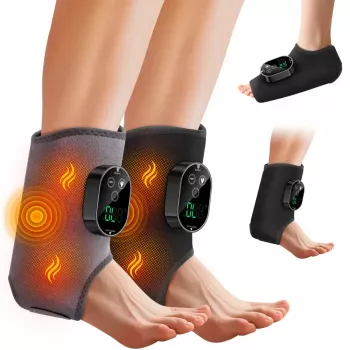
Do doctors recommend foot massagers for neuropathy?
Doctors may recommend a foot massager for neuropathy in specific situations, usually as a supportive comfort tool rather than a primary treatment. For some people, gentle massage, warmth, and vibration can help relax tight muscles, improve short-term circulation, and reduce the stress that makes nerve discomfort feel worse. The key is that “gentle” matters—neuropathy can reduce sensation, which increases the risk of irritation or burns if heat is too hot or pressure is too strong.
When a foot massager may be appropriate
A clinician might suggest trying a foot massager when symptoms are mild to moderate, skin is intact, and there are no active sores, infections, or severe circulation problems. People who experience stiffness, cramping, or end-of-day foot fatigue alongside neuropathy sometimes find that brief, low-intensity sessions provide temporary relief. Devices that allow precise control over heat and vibration tend to be easier to use safely.
When doctors often advise caution or avoidance
Foot massagers aren’t a good fit for everyone with neuropathy. Extra caution is commonly advised for diabetes-related neuropathy, poor circulation (peripheral arterial disease), significant swelling, blood clots, recent fractures/sprains, or any open wounds. If you can’t reliably feel temperature or pressure, a heated massager can be risky without strict settings and time limits.
What to ask your doctor before using one
Ask whether heat is safe for your circulation and sensation level, what intensity is appropriate, and how long sessions should last. Many clinicians will recommend starting with the lowest settings for 10–15 minutes, checking skin frequently, and stopping if there’s increased pain, redness, or lingering numbness.
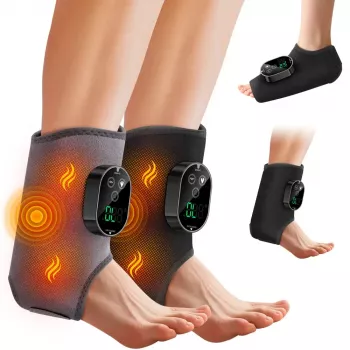
For practical tips on features like adjustable heat, vibration levels, and brace-style support, see this guide: heated ankle & foot massager brace heat and vibration guide.
FAQ
What should I look for in a foot massager if I have neuropathy?
Choose a model with adjustable intensity, clearly controlled heat settings, and an automatic shutoff. Prioritize gentle options and avoid aggressive kneading if you have reduced sensation or a history of skin irritation.














Leave a comment