-
Shop
- Adidas
- Advanced Technologies
- AI Skills Mastery 2026 Collection
- Behavior & Emotions
- Best-Sellers
- Budget, Small-Space & DIY
- Car Accessories
- Daily Routines & Care
- Dating & Social Skills
- Digital Resources
- Education & Learning
- Emotional Intelligence
- Everyday Tech Guides
- Family & Lifestyle Tech
- Family & Parenting
- Fashion
- Alexander McQueen
- Bags
- Bags & Wallets
- Balenciaga
- Belts
- Blazers
- Bottega Veneta
- Brunello Cucinelli
- Burberry
- Chanel
- Chloé
- Dior
- Dolce & Gabbana
- Dresses
- Etro
- Fendi
- Gucci
- Hats & Hair Accessories
- Jewelry
- Jil Sander
- Keychains
- Kiton
- Luggage
- Miu Miu
- Off-White
- Outerwear
- Prada
- Rick Owens
- Saint Laurent
- Shoes
- Socks & Tights
- Sunglasses
- The Row
- Tom Ford
- Valentino
- Valentino Garavani
- Versace
- Vivienne Westwood
- Watches
- Feeding & Nutrition
- Furniture
- Gadgets
- Health & Beauty
- Health & Wellness
- Home & Garden
- Home Styling & Organization
- Home Supplies
- Household Cleaning Guides
- Kids & Babies
- Kitchen
- Kitchen & Cooking
- Lighting
- Makeovers & Layouts
- Nike
- Nutrition & Hydration
- Parenting & Family Life
- Patio, Lawn & Garden
- Personal Growth
- Pet Care
- Pet Supplies
- Pets
- Productivity
- Safety & Health
- Sleep & Bedtime
- Smart Homes & Daily Tech Use
- Smartphones & Mobile Devices
- Sport & Outdoors
- Style & Atmosphere
- Training & Enrichment
- Travel
- Wealth
- Popular
- Best deals
Protect Wood Coffee Tables From Water Rings & Heat
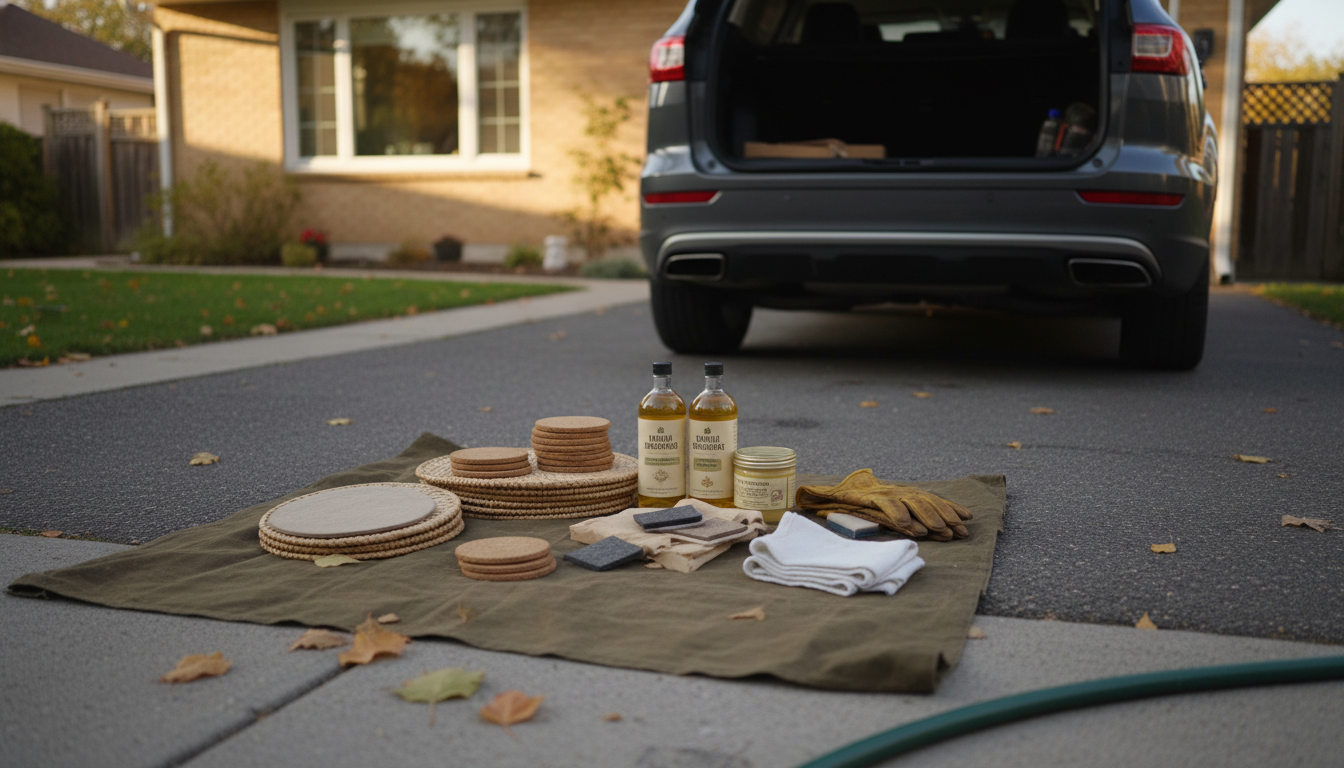
How do I protect a natural wood coffee table from water rings and heat marks?
Answer
Natural wood is beautiful, but it’s also porous and reactive to heat and moisture. The best protection is a mix of smart daily habits and a finish that creates a reliable barrier. Start with the simplest win: use coasters for every drink (especially cold glasses that sweat), and place a trivet or heat-safe pad under mugs, bowls, and serving dishes. For items like vases or plant pots, add felt pads or a waterproof liner underneath to prevent slow moisture transfer.
Next, consider the table’s current finish. If it’s unfinished or only lightly sealed, water and heat can penetrate quickly, leaving cloudy rings or darker marks. A durable topcoat—such as polyurethane—tends to offer strong resistance to both water and heat when fully cured. For a more natural look and feel, a hardwax oil or penetrating oil can enhance grain while adding moderate protection, though it may require more frequent maintenance and quicker wipe-ups after spills.
Whatever finish you choose, prep and curing matter. Clean the surface thoroughly, remove any wax buildup, and follow the product directions for sanding, number of coats, dry time, and full cure time. Even the toughest finish can mark if it hasn’t cured completely. After finishing, keep a gentle routine: wipe spills immediately, dust with a soft cloth, and avoid harsh cleaners that can dull or soften the protective layer.
For step-by-step guidance on choosing and maintaining a protective finish, see the full resource here: https://etellium.com/blog/how-do-i-protect-a-natural-wood-coffee-table-from-water-rings-and-heat-marks/.
FAQ
What’s the best way to remove existing water rings from a wood table?
Start with the gentlest method: try a soft cloth with a small amount of furniture polish or finishing wax and buff lightly. If the ring is white and shallow, careful low-heat drying (like brief, controlled warm air) may help; deeper dark stains often require refinishing or targeted stain treatment.
Recommended for you



Best Colors for Red Hair: Palettes & Outfit Formulas
May 14, 2026












Leave a comment