-
Shop
- Adidas
- Advanced Technologies
- AI Skills Mastery 2026 Collection
- Behavior & Emotions
- Best-Sellers
- Budget, Small-Space & DIY
- Car Accessories
- Daily Routines & Care
- Dating & Social Skills
- Digital Resources
- Education & Learning
- Emotional Intelligence
- Everyday Tech Guides
- Family & Lifestyle Tech
- Family & Parenting
- Fashion
- Alexander McQueen
- Bags
- Bags & Wallets
- Balenciaga
- Belts
- Blazers
- Bottega Veneta
- Brunello Cucinelli
- Burberry
- Chanel
- Chloé
- Dior
- Dolce & Gabbana
- Dresses
- Etro
- Fendi
- Gucci
- Hats & Hair Accessories
- Jewelry
- Jil Sander
- Keychains
- Kiton
- Luggage
- Miu Miu
- Off-White
- Outerwear
- Prada
- Rick Owens
- Saint Laurent
- Shoes
- Socks & Tights
- Sunglasses
- The Row
- Tom Ford
- Valentino
- Valentino Garavani
- Versace
- Vivienne Westwood
- Watches
- Feeding & Nutrition
- Furniture
- Gadgets
- Health & Beauty
- Health & Wellness
- Home & Garden
- Home Styling & Organization
- Home Supplies
- Household Cleaning Guides
- Kids & Babies
- Kitchen
- Kitchen & Cooking
- Lighting
- Makeovers & Layouts
- Nike
- Nutrition & Hydration
- Parenting & Family Life
- Patio, Lawn & Garden
- Personal Growth
- Pet Care
- Pet Supplies
- Pets
- Productivity
- Safety & Health
- Sleep & Bedtime
- Smart Homes & Daily Tech Use
- Smartphones & Mobile Devices
- Sport & Outdoors
- Style & Atmosphere
- Training & Enrichment
- Travel
- Wealth
- Popular
- Best deals
Vintage Copper Bike Bell: Crisp Ring, Waterproof Mini
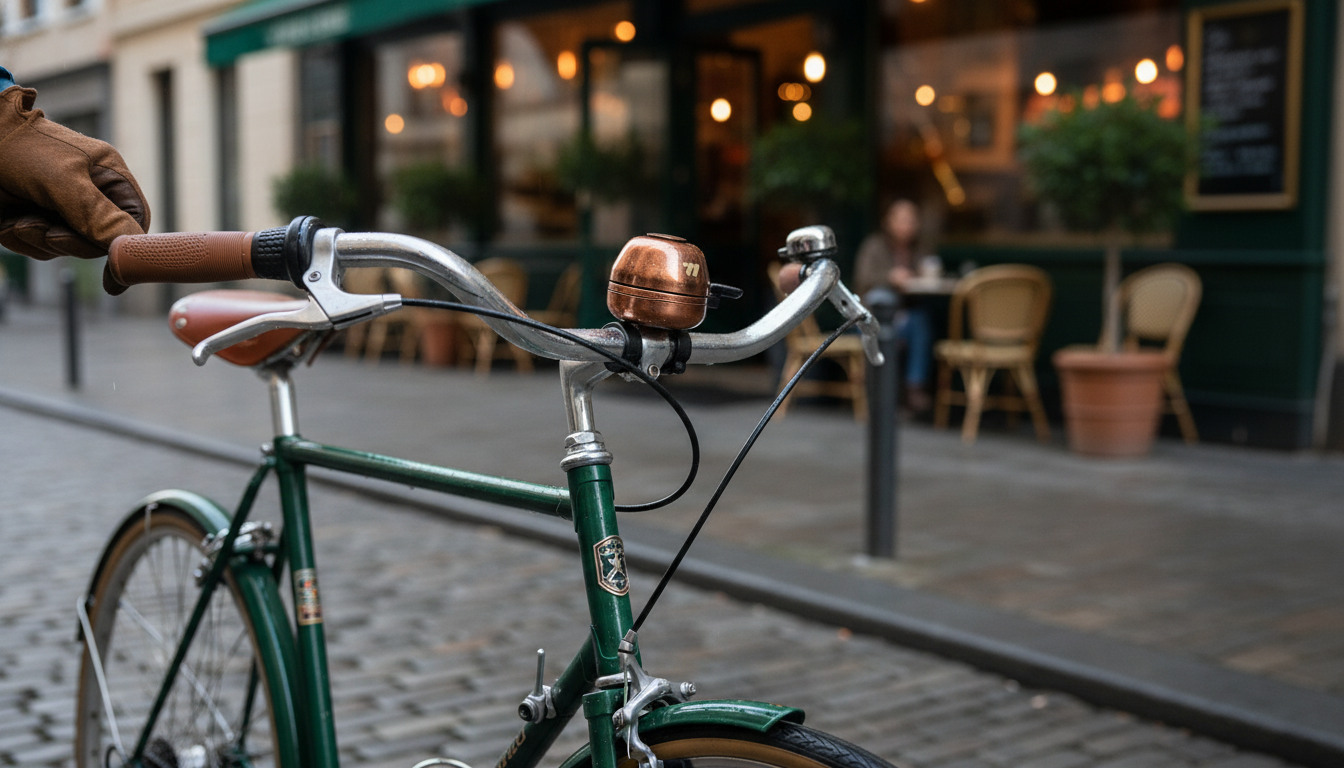
Vintage Copper Bike Bell with Crisp Ring & Waterproof Mini Handlebar Design
A dependable bike bell improves everyday riding by helping pedestrians and other cyclists notice your approach early. This vintage-style copper bell pairs a clear, crisp ring with a compact, weather-ready build designed to sit neatly on the handlebar without adding bulk. For commuters, weekend cruisers, and anyone who rides shared paths, it’s a small upgrade that can make interactions smoother and more predictable.
Why a Handlebar Bell Still Matters
On busy streets and multi-use trails, a bell remains one of the simplest ways to communicate. It adds a non-intrusive signal that helps others recognize a bike approaching without forcing anyone to guess your line or speed.
- Adds a simple, non-intrusive way to signal presence on shared paths, multi-use trails, and crowded city streets.
- Creates an audible cue that can be more effective than calling out, especially when wind or traffic noise is present.
- Helps reduce close passes and surprise encounters by encouraging earlier awareness and predictable interactions.
- Supports safer riding habits when approaching blind corners, trail merges, and crosswalk areas.
General bicycle safety guidance from organizations like NHTSA and the League of American Bicyclists consistently emphasizes visibility, predictability, and clear communication—exactly where a bell fits into daily riding.
Vintage Copper Look, Modern Everyday Practicality
This bell leans into a classic copper-toned aesthetic while staying focused on day-to-day use. The goal is to add a functional signaling tool that looks intentional on the bar, not like a bulky add-on.
- Copper-toned, vintage-inspired styling complements classic road bikes, commuters, cruisers, and many e-bike setups.
- Mini bell footprint keeps the cockpit clean, leaving room for lights, phone mounts, or cycling computers.
- A crisp ring is designed to cut through ambient noise without requiring repeated strikes.
- The bell’s finish and simple form factor make it a subtle upgrade rather than a loud visual accessory.
If the handlebar already feels crowded with essentials, a compact bell helps preserve an organized setup while still giving a reliable “heads up” when it’s needed.
Sound Profile: What “Crisp Ring” Means on the Road
A “crisp ring” typically describes a bright, clean tone that’s easier to notice and locate than a dull thud. On paved paths—where footsteps, strollers, and other bikes blend into a steady hum—a clearer ring can help people identify that a cyclist is approaching from behind.
- A clear, bright tone is easier for others to localize than a dull or muffled sound, especially on paved paths.
- Best practice is a light ring at distance, then a second ring closer if needed—aiming for courtesy rather than startling people.
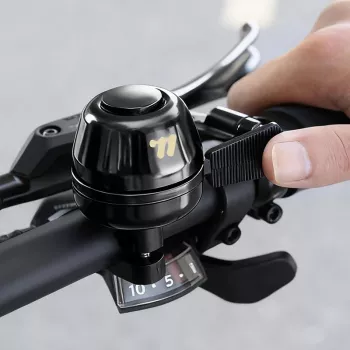
- Position the bell where it can be reached without changing grip or removing a hand far from the brake lever.
- Use consistent timing: ring before passing, not during the pass, to give others a moment to react.
On shared paths, a calm, early signal often works better than a last-second loud ring. Guidance around considerate passing and shared-space etiquette is also covered by groups like Sustrans, which emphasizes giving people time and space to respond.
Weather-Ready Design and Daily Durability
Riders don’t always get perfect conditions. A water-resistant bell helps keep signaling consistent through light rain, damp mornings, puddle spray, and the kind of humidity that can linger in garages or apartment bike rooms.
- Water-resistant construction helps the bell stay reliable through light rain, puddle spray, and humid storage conditions.
- A compact housing can be easier to wipe down and less prone to collecting grime than larger, more complex bells.
- After wet rides, a quick dry-off reduces the chance of long-term corrosion and keeps the striker mechanism responsive.
- Periodic checks (tightness and alignment) help prevent rattling and preserve a consistent ring over time.
Simple maintenance goes a long way: a quick wipe and an occasional snug-up of the mount can help prevent unwanted rotation on rough pavement.
Fit and Setup on Common Handlebars
A good bell is one you can use instantly without thinking. Installation is usually straightforward, but placement matters: reach, clearance, and stability all affect how consistently it rings.
Quick Fit Checklist
| Check | What to look for | Why it matters |
|---|---|---|
| Mounting position | Thumb can reach without shifting grip | Faster signaling and better control |
| Clearance | No contact with cables, lights, or phone mounts | Prevents muffled sound and accidental strikes |
| Stability | Bell doesn’t rotate during bumps | Keeps the striker aligned for a consistent ring |
| Bar space | Enough room for grips and controls | Improves comfort and avoids clutter |
| Post-ride inspection | Re-tighten if needed after first rides | Settling can loosen mounts slightly |
Where This Bell Fits Best
Product Snapshot and Value
Product: Vintage Copper Bike Bell with Crisp Ring & Waterproof Mini Handlebar Design.
You May Also Like (In Stock)
- Weather-Resistant Luxury Spherical Camping Tent
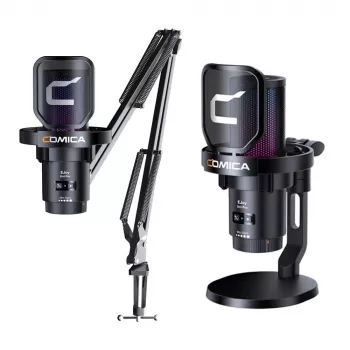
- Wireless RGB USB Gaming Microphone with Noise Cancellation & Boom Arm
- The “Budget Like a Boss” Checklist | Digital Download to Learn How to Budget and Save Money | Easy Printable Budgeting Guide
FAQ
Will this bell fit most standard bike handlebars?
It typically fits most common handlebars, but it’s best to confirm the clamp size and make sure you have a short stretch of straight bar near the grip and controls. Choose a spot your thumb can reach easily without changing your grip.
Is the bell loud enough for busy shared paths?
A crisp, bright ring is designed to carry through everyday ambient noise on streets and trails. Ring early and politely, then use a second ring only if someone hasn’t had time to react yet.
How should it be cared for after riding in rain?
Wipe the bell dry after wet rides and keep the striker area free of grit so the tone stays consistent. It also helps to re-check mounting tightness after a few rides, especially if you’ve been through bumps or puddles.














Leave a comment