-
Shop
- Adidas
- Advanced Technologies
- AI Skills Mastery 2026 Collection
- Behavior & Emotions
- Best-Sellers
- Budget, Small-Space & DIY
- Car Accessories
- Daily Routines & Care
- Dating & Social Skills
- Digital Resources
- Education & Learning
- Emotional Intelligence
- Everyday Tech Guides
- Family & Lifestyle Tech
- Family & Parenting
- Fashion
- Alexander McQueen
- Bags
- Bags & Wallets
- Balenciaga
- Belts
- Blazers
- Bottega Veneta
- Brunello Cucinelli
- Burberry
- Chanel
- Chloé
- Dior
- Dolce & Gabbana
- Dresses
- Etro
- Fendi
- Gucci
- Hats & Hair Accessories
- Jewelry
- Jil Sander
- Keychains
- Kiton
- Luggage
- Miu Miu
- Off-White
- Outerwear
- Prada
- Rick Owens
- Saint Laurent
- Shoes
- Socks & Tights
- Sunglasses
- The Row
- Tom Ford
- Valentino
- Valentino Garavani
- Versace
- Vivienne Westwood
- Watches
- Feeding & Nutrition
- Furniture
- Gadgets
- Health & Beauty
- Health & Wellness
- Home & Garden
- Home Styling & Organization
- Home Supplies
- Household Cleaning Guides
- Kids & Babies
- Kitchen
- Kitchen & Cooking
- Lighting
- Makeovers & Layouts
- Nike
- Nutrition & Hydration
- Parenting & Family Life
- Patio, Lawn & Garden
- Personal Growth
- Pet Care
- Pet Supplies
- Pets
- Productivity
- Safety & Health
- Sleep & Bedtime
- Smart Homes & Daily Tech Use
- Smartphones & Mobile Devices
- Sport & Outdoors
- Style & Atmosphere
- Training & Enrichment
- Travel
- Wealth
- Popular
- Best deals
Cool, Grippy Bike Saddle for Road, Gravel & Trail
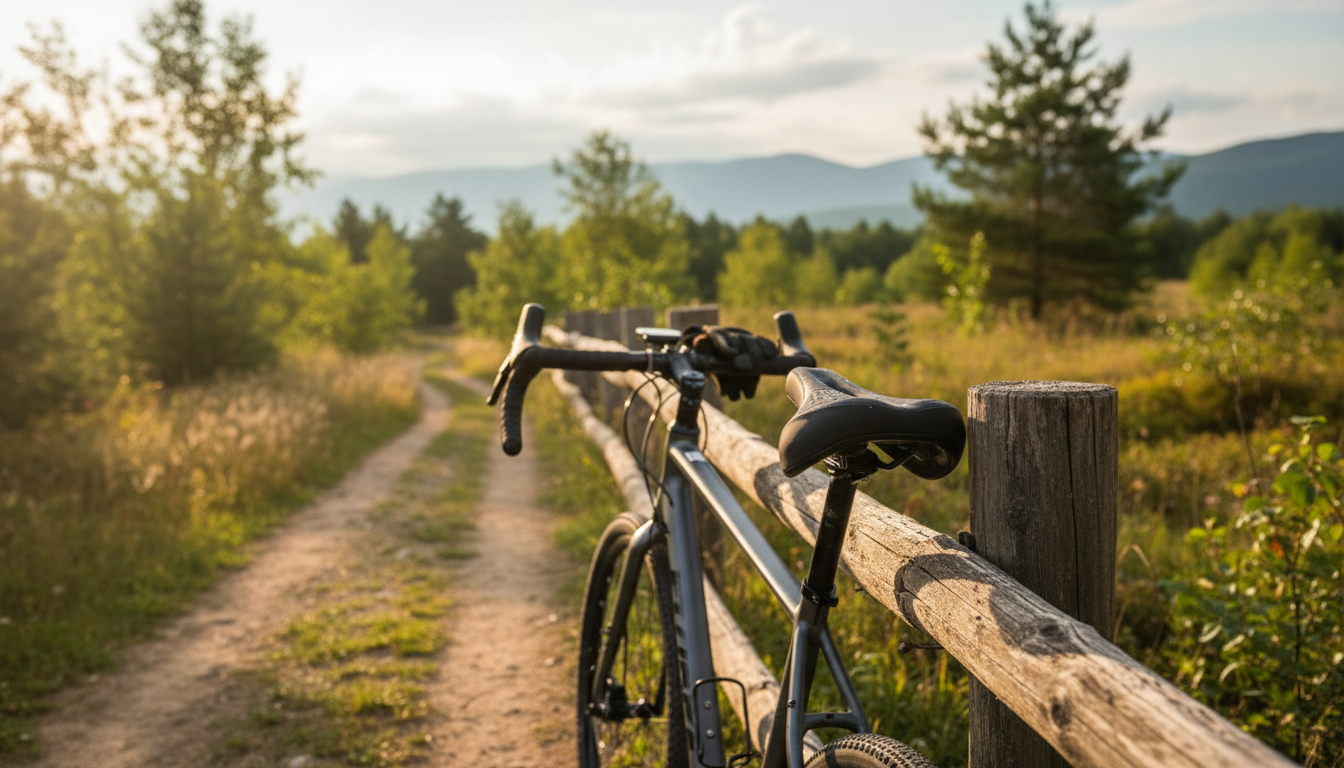
Breathable, Shock-Absorbing, Non-Slip Bike Saddle for Road and Trail Riding
A well-matched saddle can be the difference between a quick spin and an all-day session. Comfort isn’t just about “more padding”—it’s about how the saddle manages pressure, heat, vibration, and stability while you pedal. If you ride in warm weather, spend time on rough pavement or gravel, or constantly find yourself sliding and readjusting, a breathable, shock-absorbing, non-slip saddle can help you stay planted and focused—on the road or the trail.
What Makes a Saddle Comfortable Over Distance
Long-ride comfort comes down to a few core factors that work together, not a single feature in isolation:
- Pressure distribution: A supportive shape reduces hot spots under your sit bones during steady pedaling, especially on endurance rides.
- Ventilation: Airflow channels and breathable materials can help manage sweat and heat buildup, which are common triggers for chafing.
- Shock absorption: Damping helps on cracked pavement, gravel, and roots without turning the saddle into a “mushy” platform.
- Surface grip: A non-slip cover can reduce forward creep and constant repositioning on climbs or hard efforts.
- Fit over padding: Overly soft padding often compresses and increases pressure; supportive foam tends to feel better the longer you ride.
Breathability: Staying Cooler and Drier
Heat and moisture build-up can turn a good ride into an uncomfortable one. A saddle that prioritizes airflow can make a noticeable difference on warm days and during indoor training sessions.
- Airflow zones: Vent channels help reduce moisture accumulation that contributes to irritation over time.
- Materials that breathe: A breathable top pairs best with quality cycling shorts, helping sweat evaporate instead of soaking into contact points.
- Where it matters most: Riders in humid climates, anyone doing long steady miles, and indoor riders (where airflow is limited) often benefit the most.
Shockproof Support: Smoother Riding on Mixed Surfaces
Even with good tires and a well-tuned bike, vibration adds up—especially on chipseal, rough asphalt, hardpack, or gravel. A shock-absorbing saddle helps reduce the “buzz” that can lead to fatigue.
- Less micro-vibration: Damping can reduce the constant small impacts that wear you down on broken pavement and gravel roads.
- Better MTB comfort: On trail rides, shock-absorbing construction complements your suspension by softening sharp hits that still reach the saddle.
- Efficient support: A stable, supportive base helps keep your hips steady so pedaling remains smooth and consistent.
Non-Slip Contact: More Control, Less Repositioning
Sliding might seem minor—until you realize how often you’re shifting your hips, bracing with your arms, or scooting back into place. A grippy saddle top is a practical fix for riders who want steadier seated control.
Road vs. Mountain: How the Same Saddle Can Fit Both
Quick Fit and Use Guide (Road vs. Mountain)
| Riding style | Primary comfort focus | Suggested setup check | Common mistake to avoid |
|---|---|---|---|
| Road endurance | Ventilation and pressure distribution | Level saddle to start; adjust tilt in small increments | Tilting nose too far down causing hand pressure |
| Road fast/tempo | Stable support under higher cadence | Confirm saddle height after install; re-check fore-aft | Over-padding expectations instead of dialing fit |
| MTB trail | Shock damping and non-slip stability | Verify rail clamp torque; check saddle is centered | Saddle too far back causing reach and low back strain |
| Gravel/mixed | Vibration reduction and heat management | Pair with correct tire pressure; confirm saddle is level | Ignoring tire pressure and blaming the saddle |
Who This Saddle Is Best For
Installation and Dial-In Tips
- Start neutral: Begin with the saddle top level, then adjust with tiny tilt changes (think fractions of a degree) rather than big swings.
- Set height correctly: Incorrect height often feels like a saddle issue—too high can cause hip rocking; too low can increase knee strain. For additional guidance, see Sheldon Brown’s saddle setup notes.
- Check fore-aft: Aim for a balanced posture so weight isn’t forced onto your hands or excessively onto the saddle. A practical overview is available from BikeRadar’s bike fit basics.
- Torque and alignment: Tighten the clamp to the seatpost manufacturer’s spec and align the saddle straight with the frame to prevent uneven wear and discomfort.
- Break-in and adaptation: Give it a few rides for fine-tuning and for your body to adapt to a more supportive shape.
Care and Longevity
Product Options In Stock
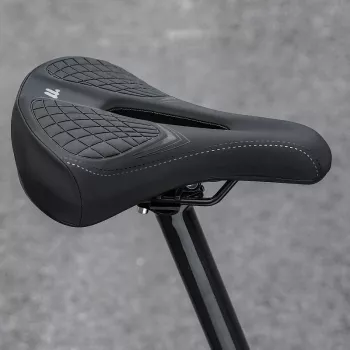
- Breathable Shockproof Non-Slip Cycling Saddle for Road & Mountain Bikes ($48.51): Designed for cooler, steadier riding across pavement, gravel, and trails—ideal if you want ventilation, vibration damping, and reduced sliding during seated efforts.
- Weather-Resistant Luxury Spherical Camping Tent ($1611.99): A premium option for riders building out a comfortable basecamp for bikepacking trips and long adventure weekends.
- The “Budget Like a Boss” Checklist | Digital Download to Learn How to Budget and Save Money | Easy Printable Budgeting Guide ($4.99): Helpful for planning ride goals, gear purchases, and travel costs without losing track of essentials.
FAQ
How do you know if a bike saddle is the right width?
The right width supports your sit bones so your weight rests on bone rather than soft tissue. Too narrow often feels like pressure “pinching” inward, while too wide can cause rubbing on the inner thighs; measuring sit-bone width (or using a fit guide at a shop) is the most reliable way to choose.
Should a saddle be perfectly level?
Start with the saddle level, then make tiny adjustments based on comfort and control. A slight nose-down tilt can relieve soft-tissue pressure, but too much shifts load to your hands and can cause sliding; extreme nose-up can create unwanted pressure in front.
Does more padding always mean more comfort?
No—extra-soft padding can compress and create higher pressure over time, especially on longer rides. Supportive foam plus correct width, height, and tilt usually feels better for endurance riding, particularly when paired with proper cycling shorts.
Recommended for you

Get Motivated to Clean: 10 Fun Timer Steps That Work
May 14, 2026
EV Battery Care: Daily Charging, Weather & AI Tips
May 14, 2026













Leave a comment