-
Shop
- Adidas
- Advanced Technologies
- AI Skills Mastery 2026 Collection
- Behavior & Emotions
- Best-Sellers
- Budget, Small-Space & DIY
- Car Accessories
- Daily Routines & Care
- Dating & Social Skills
- Digital Resources
- Education & Learning
- Emotional Intelligence
- Everyday Tech Guides
- Family & Lifestyle Tech
- Family & Parenting
- Fashion
- Alexander McQueen
- Bags
- Bags & Wallets
- Balenciaga
- Belts
- Blazers
- Bottega Veneta
- Brunello Cucinelli
- Burberry
- Chanel
- Chloé
- Dior
- Dolce & Gabbana
- Dresses
- Etro
- Fendi
- Gucci
- Hats & Hair Accessories
- Jewelry
- Jil Sander
- Keychains
- Kiton
- Luggage
- Miu Miu
- Off-White
- Outerwear
- Prada
- Rick Owens
- Saint Laurent
- Shoes
- Socks & Tights
- Sunglasses
- The Row
- Tom Ford
- Valentino
- Valentino Garavani
- Versace
- Vivienne Westwood
- Watches
- Feeding & Nutrition
- Furniture
- Gadgets
- Health & Beauty
- Health & Wellness
- Home & Garden
- Home Styling & Organization
- Home Supplies
- Household Cleaning Guides
- Kids & Babies
- Kitchen
- Kitchen & Cooking
- Lighting
- Makeovers & Layouts
- Nike
- Nutrition & Hydration
- Parenting & Family Life
- Patio, Lawn & Garden
- Personal Growth
- Pet Care
- Pet Supplies
- Pets
- Productivity
- Safety & Health
- Sleep & Bedtime
- Smart Homes & Daily Tech Use
- Smartphones & Mobile Devices
- Sport & Outdoors
- Style & Atmosphere
- Training & Enrichment
- Travel
- Wealth
- Popular
- Best deals
Best Cold-Weather Tent Brands for Winter Camping
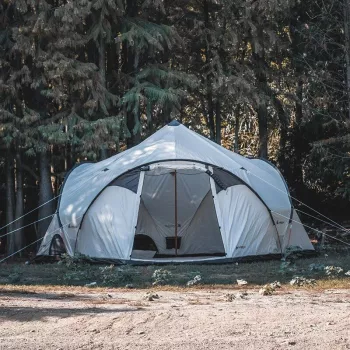
Who makes the best cold weather tents?
The best cold weather tents are made by brands that design for four-season use: strong pole structures, storm-worthy fabrics, dependable zippers, and ventilation that manages condensation when temperatures drop. No single maker is “best” for everyone—top options depend on whether the priority is mountaineering-grade performance, roomy comfort, or a more luxurious cold-season setup.
Best overall for harsh winter storms: mountaineering specialists
For wind, heavy snow loading, and exposed camps, look for manufacturers known for true four-season engineering: multiple crossing poles, robust guy-out points, and proven fabric coatings. These tents typically cost more and weigh more, but they’re built to stay standing when the weather turns. They’re ideal for alpine objectives, winter backcountry trips, and users who can’t risk a shelter failure.
Best balance of warmth and livability: premium four-season and expedition lines
If the goal is comfortable cold-weather camping (not necessarily high-altitude climbing), many premium outdoor brands offer four-season models that emphasize interior space, vestibule storage, and easier pitching in gloves. Key features to prioritize include snow skirts or strong perimeter sealing, low-profile shapes that shed wind, and vents placed high and low to reduce frost buildup inside.
Best for cold-weather glamping: insulated, weather-ready luxury tents
For stays where comfort matters as much as weather resistance, luxury shelter makers can be “best” in a different way—prioritizing insulation potential, rigid frames, and a spacious interior that pairs well with a heater and proper flooring. Spherical and dome-style structures are often favored for their wind-shedding shape and stable footprint. For a deeper look at a luxury, weather-ready option, see this guide to a luxury spherical tent built for all-season comfort.
How to choose the “best” maker for your conditions
Start with the worst conditions expected: wind speeds, snowfall, and overnight lows. Then match that to the brand’s track record in four-season designs, availability of replacement parts (poles, hubs, rainflies), and real-world pitching ease. Even the best tent can struggle if ventilation is ignored, so choose a model with adjustable vents and plan for condensation management.
FAQ
What makes a tent truly four-season?
A true four-season tent uses stronger poles and fabrics, has more robust guy-out points, and is shaped to handle wind and snow loads. It also balances protection with ventilation to limit condensation in freezing temperatures.
Recommended for you


Budget & Manage Your Money: 7 Simple Steps
May 9, 2026













Leave a comment